Google Pixel 11 Pro Review Solid Hardware but Missing AI
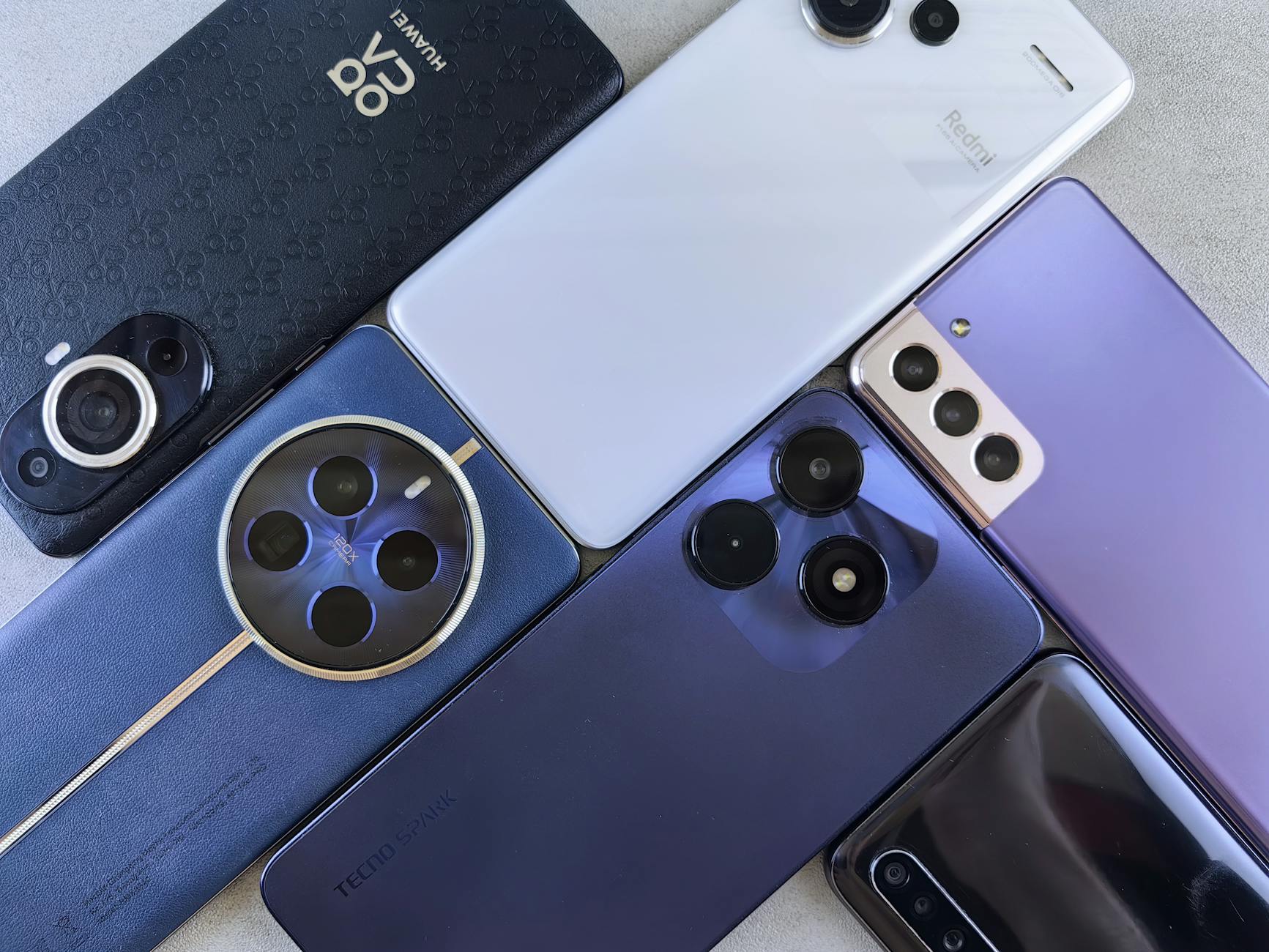
Google has officially launched the Pixel 11 Pro flagship smartphone, but local real-world testing published on 29 October 2026 reveals that its headline agentic artificial intelligence capabilities are largely absent. Reviewed by Malaysian technology portal Lowyat.NET, the device pairs a clean vanilla Android interface and an upgraded Tensor G6 processor with dependable all-day battery life and refined photography. However, the absence of core automated features and noticeable gaming performance deficits temper its value proposition. While rival flagships from Samsung and Apple retail locally between RM5,499 and RM11,499, official Malaysian pricing for the Pixel 11 Pro was not disclosed in the evaluation, making purchase decisions heavily dependent on regional availability and baseline software priorities.
Key Facts
The Google Pixel 11 Pro introduces minor hardware iterations and updated Tensor G6 silicon alongside an unaltered triple-camera system, achieving an overall evaluation score of 7.9 out of 10. Documented specifications highlight noticeable battery longevity but reveal significant performance constraints during high-demand graphical processing.
| Attribute | Value |
| Device Model | Google Pixel 11 Pro |
| Review Date | 29 October 2026 |
| Operating System | Vanilla Android |
| Processor | Google Tensor G6 (reduced core count, faster individual cores) |
| Rear Camera Array | 50MP main + 48MP wide-angle with Macro Focus + 48MP telephoto (5x optical zoom) |
| Hardware Additions | HiLight / Pixel Glow rear notification LED |
| Gaming Metric | Under 30fps on low settings in Warframe with frequent microstutters |
| Battery Discharge | Under 20% remaining after full day of heavy streaming and camera usage |
| Overall Review Score | 7.9 / 10 (Design: 8.5, Display: 9.0, Performance: 6.0, Camera: 9.0, Battery: 8.5, Software: 8.5, Value: 6.0) |
| Local Competitor Pricing | Samsung Galaxy S26 Ultra (RM5,999 to RM7,999); Apple iPhone 18 Pro (RM5,499 to RM11,499) |
| Malaysian Price & Launch Date | Not specified in source review |
Documented benchmarks and hands-on testing assign the Google Pixel 11 Pro an overall score of 7.9 out of 10.
How Do the Pixel 11 Pro Cameras and Hardware Compare?
The Google Pixel 11 Pro retains the 50MP main, 48MP wide-angle with Macro Focus, and 48MP 5x telephoto camera array from the Pixel 10 Pro. Physical changes remain modest, introducing a balanced weight distribution and a new HiLight or Pixel Glow rear notification LED embedded inside the large camera island.
Image processing exhibits a distinct shift toward more neutral colour rendering, stepping away from exaggerated saturation while limiting artificial sharpening. Daytime captures demonstrate high detail retention across all three sensors. In contrast, low-light photography presents warmer colour profiles and brighter exposures, leading to varied dynamic range consistency despite preserving fine textures.
Ergonomically, the camera island remains large and prone to catching on surfaces unless housed in a protective case, which Google provided alongside the evaluation unit. The integrated HiLight LED offers visual alerts when placed screen-down, though it requires manual user configuration to differentiate incoming notifications.
The Google Pixel 11 Pro maintains an identical 50MP, 48MP, and 48MP rear camera array to its predecessor while shifting image processing toward neutral colour profiles.
Why Are the Headline Agentic AI Features Missing?
The Google Pixel 11 Pro fails to deliver its core marketing promise of automated agentic artificial intelligence out of the box. While active prompts such as generating travel itineraries from single images function properly, passive background integrations like extracting calendar appointments directly from incoming email messages are completely non-functional.
This software void mirrors the delayed introduction of Magic Cue during the previous Pixel 10 Pro product cycle. The Tensor G6 processor was specifically engineered around a dedicated Tensor Processing Unit to handle autonomous workloads, yet the lack of functional passive software renders these silicon enhancements largely dormant during daily use.
"And that is, if you were looking forward to using all of those agentic AI capabilities, they are absent." Ian Chee, Lowyat.NET
Passive background agentic features failed to function during real-world evaluation despite the dedicated AI hardware embedded within the Tensor G6 processor.
Can the Tensor G6 Handle Heavy Gaming Workloads?
The Google Pixel 11 Pro struggles significantly with graphics-intensive mobile gaming due to persistent hardware bottlenecks within the Tensor G6 chipset. During real-world testing with Warframe on low graphical settings, the smartphone failed to sustain a consistent 30 frames per second and exhibited frequent microstutters throughout gameplay sessions.
Architecturally, the Tensor G6 eliminates one CPU core compared to its predecessor, offsetting the reduction with higher individual core speeds. While standard interface navigation remains fluid, graphical crunching falls well short of top-tier mobile standards, resulting in a low performance sub-score of 6.0 out of 10.
Conversely, thermal and battery efficiency proved resilient. A standard testing regimen comprising prolonged video streaming, audio playback, extensive photography, and web browsing concluded with under 20% battery capacity remaining, showing that conservative daily usage could potentially span two days.
Graphics testing revealed that the Tensor G6 cannot maintain 30 frames per second in Warframe even under minimum graphical settings.
What It Means for Malaysian Buyers
Malaysian buyers evaluating the Google Pixel 11 Pro face an uncertain value proposition because official local retail pricing and distributor availability remain unconfirmed in local testing. Existing owners of recent flagship hardware have little incentive to upgrade given the absent AI features and constrained gaming capabilities against established domestic alternatives.
In Malaysia, the flagship market presents formidable alternatives. The Samsung Galaxy S26 Ultra provides a 6.9-inch Dynamic AMOLED QHD+ 120Hz display, Qualcomm Snapdragon 8 Elite Gen 5 processor, up to 16GB RAM, up to 1TB storage, a 5,000 mAh battery with 60W wired and 25W wireless charging, and a quad camera setup (200MP + 50MP 5x + 10MP 3x + 12MP) priced between RM5,999 and RM7,999. Meanwhile, the Apple iPhone 18 Pro features a 6.3-inch Super Retina XDR display, 12GB RAM, up to 2TB storage, and a triple 48MP camera setup priced from RM5,499 to RM11,499.
Unless local consumers prioritise an unadulterated vanilla Android build and solid general battery life, recent flagship owners should pause purchases until Google deploys its promised autonomous software features.
Without confirmed Malaysian pricing or operational agentic software, the Pixel 11 Pro offers limited justification for users upgrading from recent flagship smartphones.
Common Questions
Independent evaluation of the Google Pixel 11 Pro addresses critical queries regarding real-world gaming performance, imaging hardware upgrades, and domestic market availability. The following summary clarifies key operational realities for prospective consumers comparing the new flagship against established market alternatives.
How does the Tensor G6 perform in mobile games?
The Tensor G6 exhibits severe constraints during intensive gaming. Testing in Warframe showed the Pixel 11 Pro unable to sustain 30 frames per second on low settings, accompanied by frequent microstutters, indicating graphics throughput remains well behind rival flagship processors.
What camera specifications does the Google Pixel 11 Pro feature?
The device features a 50MP main sensor, a 48MP wide-angle lens with Macro Focus, and a 48MP telephoto camera with 5x optical zoom. Hardware mirrors the Pixel 10 Pro, though processing updates deliver more neutral daylight colours and brighter low-light captures.
How much does the Google Pixel 11 Pro cost in Malaysia?
The source evaluation does not provide official Malaysian pricing or launch dates for the Pixel 11 Pro. For reference, competing local flagships cited include the Samsung Galaxy S26 Ultra at RM5,999 to RM7,999 and the iPhone 18 Pro at RM5,499 to RM11,499.
Hands-on testing confirms that while the Pixel 11 Pro improves daily battery life, it falls short on sustained gaming frame rates and autonomous software execution.
Sources and Methodology
Information in this dispatch is synthesised directly from the comprehensive hardware assessment published by Malaysian technology publication Lowyat.NET on 29 October 2026. Editorial testing involved real-world daily workflows, camera evaluations, and mobile gaming benchmarks executed on an official test unit provided on loan from Google.
Competitor pricing figures for the Samsung Galaxy S26 Ultra and Apple iPhone 18 Pro represent official Malaysian Ringgit (RM) ranges recorded directly from the primary evaluation. No currency conversions were applied, as specific retail pricing for the Google Pixel 11 Pro was not stated in the source material.
Editorial testing was conducted by Lowyat.NET using a Pixel 11 Pro evaluation unit supplied on loan directly from Google.
Related coverage
More Phones →Filed under
- #Tech
- #Imports
- #Review
Network · latest from sister sites