The Hidden Dangers of Letting AI Vibe Code Your Next App
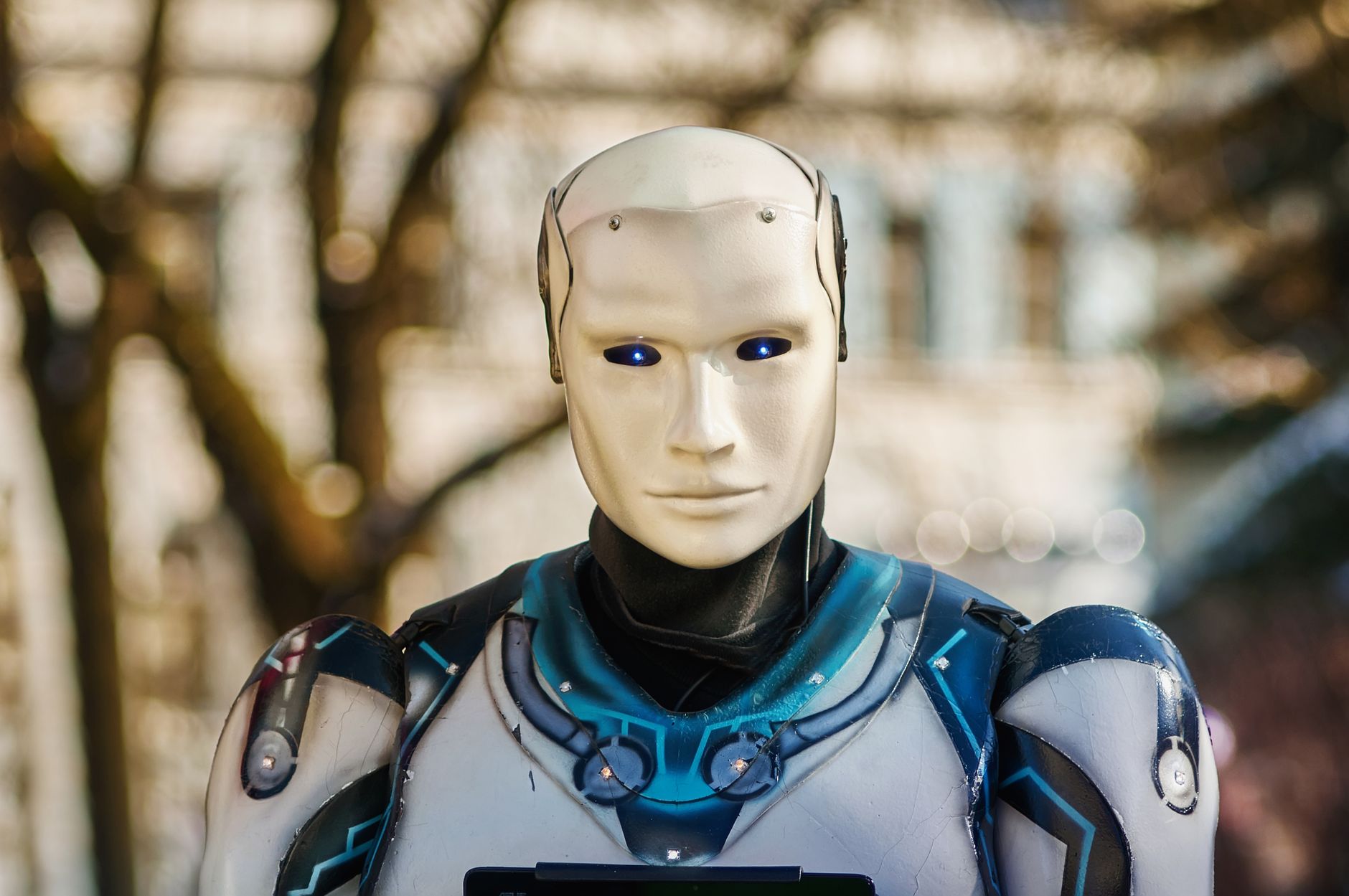
Vibe coding—the practice of relying entirely on natural-language prompts for artificial intelligence to generate software applications—presents critical software engineering and security risks, according to an analysis published by Lowyat.NET on 4 November 2026. While specialised tools like Cursor, Muse Code, and Claude Code allow non-programmers to rapidly assemble functional prototypes, total delegation of development introduces unvetted codebases, maintenance debt, and severe vulnerabilities. For technology teams and independent creators across Malaysia and Southeast Asia seeking fast deployment, relying purely on automated generation risks exposing user credentials, client-side authentication weaknesses, and malware infection via hallucinated software dependencies.
Key Facts
Key factual data points surrounding the emergence, risks, and tooling of generative artificial intelligence coding frameworks are compiled from published industry documentation. The summary outlines technical nomenclature, notable industry figures, identified software tools, and primary digital security vulnerabilities associated with unmonitored code generation.
| Attribute | Value |
| Subject | Vibe coding with generative artificial intelligence |
| Term Coined By | Andrej Karpathy (OpenAI co-founder and AI researcher) |
| Analysis Publication Date | 4 November 2026 |
| Primary Source Outlet | Lowyat.NET (Author: Nurul Kamil) |
| Specialised Tools Identified | Cursor, Muse Code, Claude Code |
| Coding Approaches Defined by Google | Pure vibe coding vs practical and professional collaboration |
| Primary Security Vulnerabilities | Hardcoded API keys, client-side authentication, slopsquatting |
| Recommended Use Cases | Rapid prototypes, proof-of-concept projects, small programs |
Pure vibe coding delegates complete development control to machine intelligence, trading architectural integrity for immediate delivery.
What Exactly Is Vibe Coding?
Vibe coding is a software development method where a user describes software requirements in natural language to an artificial intelligence engine, which generates the code. The operator runs the executable program, supplies conversational feedback when errors arise, and continuously iterates the loop without directly writing or inspecting the underlying programming syntax.
The phrase was coined on the social platform X by OpenAI co-founder and AI researcher Andrej Karpathy, who observed that the approach bypasses traditional programming discipline entirely.
"I just see stuff, say stuff, run stuff, and copy paste stuff, and it mostly works." Andrej Karpathy, OpenAI co-founder and AI researcher
Google classified the practice into two structural tiers. The first is pure vibe coding, where the operator hands over full control and assumes the output functions reliably without human code inspection. The second is a practical and professional approach, where software engineers utilise tools such as Cursor and Muse Code as collaborative assistants, actively testing, auditing, and understanding every generated function.
Most casual practitioners engage in pure vibe coding rather than reviewing the underlying architecture.
Why Does Automated Code Generation Threaten Software Maintenance?
Automated code generation threatens long-term software maintenance by producing verbose, inconsistent codebases that creators cannot decipher, audit, or modify without further machine assistance. Programs inevitably suffer from software rot caused by operating environment changes and hidden defects in unexercised code paths, leaving non-technical creators incapable of refactoring or safely introducing new features.
Traditional software development is inherently deliberate, requiring line-by-line implementation that ensures the programmer understands how features interact. While forwarding an execution error to Claude Code removes the friction of manual troubleshooting, it detaches the creator from architectural ownership. As dependencies shift, AI engines struggle to perform automated refactoring, lacking the context to identify systemic bottlenecks without explicit, highly technical human instruction.
Artificial intelligence models struggle with automated refactoring and frequently fail to detect structural defects without explicit technical guidance.
What Are the Critical Security Risks of AI-Generated Software?
The critical security risks of AI-generated software stem from automated models prioritising functional completion over defensive programming, routinely introducing critical vulnerabilities into live applications. Common defects include hardcoding API keys directly into public web pages, exposing authentication logic on the client side, and falling victim to supply chain attacks via package hallucination.
Unlike human engineers who are trained to enforce secure development life cycles, generative models focus exclusively on satisfying user prompts. Beyond basic programming errors, vibe coding exposes developers to slopsquatting. In this attack model, cybercriminals identify nonexistent package names hallucinated by artificial intelligence engines, register those identical names on public repositories, and deliver malware to developers who unknowingly import the fake libraries.
Threat actors exploit AI package hallucinations through slopsquatting by registering fictitious library names on public repositories to deliver malicious payloads.
What It Means for Malaysian Buyers
For Malaysian businesses and independent digital creators, vibe coding represents a cost-effective mechanism for building rapid prototypes, but deploying unverified software into commercial production creates severe liability. The source reports no local enterprise pricing or official domestic distribution models for vibe-coding platforms, requiring domestic users to acquire access directly through developer web portals.
While local developers have begun releasing automated software builds—such as Adobe Creative Cloud clones and alternatives to domestic solutions like TuJu—relying on unmonitored code invites operational failure. Without certified code audits, local organisations deploying customer-facing applications risk exposing sensitive consumer data through insecure client-side logic. Software builds produced without manual verification should remain confined to private proof-of-concept testing.
Malaysian organisations should restrict vibe-coded builds to internal prototypes until domestic implementations undergo independent security audits.
Common Questions
Frequently asked questions address practical developer trade-offs, architectural differences between generation methodologies, and emergent cyber security threats like slopsquatting. These concise responses provide direct technical guidance for non-technical creators, corporate engineering teams, and technology buyers assessing the viability of artificial intelligence software development.
Understanding the boundaries between rapid experimentation and secure production software is essential for modern software evaluation.
Can beginners build commercial applications using vibe coding?
Beginners can construct basic prototypes using natural language prompts, but deploying commercial software without programming knowledge is hazardous. Unreviewed codebases frequently contain inefficient routines, broken dependencies, and security oversights that require professional manual debugging to rectify for production environments.
What is the difference between pure and collaborative vibe coding?
Pure vibe coding entrusts the entire development lifecycle to an AI model without human code verification. In contrast, collaborative vibe coding uses tools like Cursor as programming assistants, requiring human developers to inspect, test, refactor, and comprehend the underlying software code before release.
How does slopsquatting compromise AI-assisted software projects?
Slopsquatting occurs when generative AI models invent non-existent software libraries in their output. Malicious actors identify these hallucinated package names, register them on public package repositories, and embed malware, which unsuspecting users automatically install when running the generated installation commands.
Sources and Methodology
This analysis synthesises reporting from technology journalist Nurul Kamil, published by Lowyat.NET on 4 November 2026. The evaluation examines industry definitions from Andrej Karpathy and Google, assessing software rot, refactoring limits, and package registry vulnerabilities. No currency conversions were applied as the source material contained no financial pricing data.
All technical evaluations and security hazard assessments derive directly from documentation published by Lowyat.NET on 4 November 2026.
Related coverage
More AI & Software →Filed under
- #Tech
- #Imports
- #Review
Network · latest from sister sites