TCG Card Shop Simulator Review Scratches The Right Itch
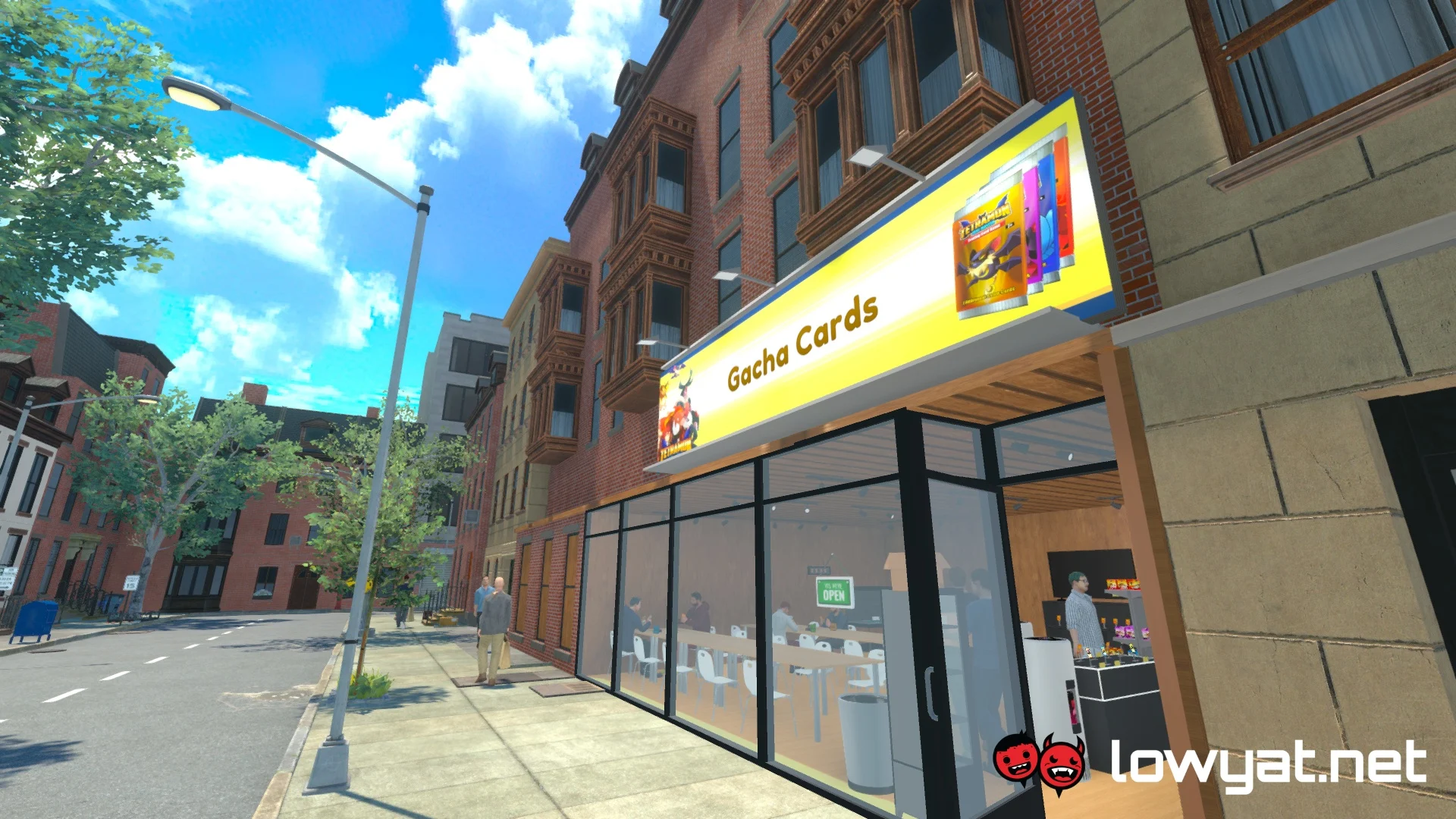
TCG Card Shop Simulator has officially reached its version 1.0 release, transitioning from early access into a full launch on PC via the Steam Store. Developed by OPNeon Games, an independent studio based in Selangor, Malaysia, the management simulator puts players in charge of operating a local trading card store, handling retail logistics, opening booster packs, submitting inventory for grading, and engaging in playable card matches against store patrons. The full release introduces the playable in-game Tetramon trading card game, marking a significant milestone for a title developed locally within the Malaysian digital creative ecosystem that has garnered widespread attention across global PC gaming channels since 2024.
Key Facts
| Attribute | Value |
| Game Title | TCG Card Shop Simulator |
| Developer | OPNeon Games |
| Developer Location | Selangor, Malaysia |
| Platform | PC (Steam Store) |
| Current Version | 1.0 |
| Review Date | 16 October 2026 |
| Overall Review Score | 8.1 / 10 |
| Tested Duration | 4 weeks (retail unit supplied by retailer) |
| Gameplay Score | 9.5 / 10 |
| Visuals Score | 8.0 / 10 |
| Audio Score | 8.0 / 10 |
| Performance Score | 7.0 / 10 |
How Does the Core Store Management Loop Operate?
The core gameplay loop requires players to start with a modest retail space, limited cash, a checkout counter, and basic shelving before expanding operations. Revenue generated from selling sealed card packs and peripheral trading card accessories is reinvested into inventory, store capacity, and operational staff to streamline sales during peak customer surges.
Early-game progression requires manual operation, with players directly handling cashier transactions and restocking shelves. The first 20 in-game days represent a deliberate, slow-paced grind focused primarily on cash handling. As profits accumulate, players can hire automated floor staff to manage checkout and restocking duties, transitioning the player's role from frontline clerk to strategic logistics manager.
"If I had to describe the experience using an analogy, it's like driving an old but reliable manual car. Getting it started can be a bit of a pain, but once you're up and running, things become a lot smoother, with only the occasional adjustment needed along the way."
Kiran Ganesan, Lowyat.NET
Store expansion in TCG Card Shop Simulator shifts the gameplay loop from manual cashier duties to high-volume inventory management and customer traffic control.
How Do Card Cracking and Card Grading Function?
Card cracking allows shop owners to unseal inventory packs directly to pull individual trading cards for personal collection or direct market resale. High-value cards can be sold immediately at current market rates or submitted to an off-site grading service to secure higher commercial sale premiums.
The pack-opening mechanic introduces high-variance economic gameplay, where a single rare card pull can generate sufficient capital to fund store operating expenses for an entire in-game week. However, the card grading system operates without a physical pre-inspection mechanism, leaving the return grade largely reliant on random chance rather than visible card condition assessment.
Unsealing retail stock introduces volatile profit opportunities, though the grading mechanism lacks pre-inspection controls to verify card condition prior to submission.
What Is the Tetramon In-Game Card Game?
Tetramon is the dedicated, playable trading card system introduced in the version 1.0 release, functioning as a complete deck-building card battle game within the retail simulator. Players construct functional decks using collected inventory cards to challenge retail customers who visit the shop during regular business hours.
Drawing mechanical parallels to the Pokémon Trading Card Game, Gwent, and Inscryption, Tetramon offers strategic deck-building depth, such as combo archetypes focused on graveyard recycling and temporary power scaling. Despite its tactical depth, the system suffers from technical instability in version 1.0, including soft locks and unresponsive interface states triggered during turn transitions or graveyard inspections.
The version 1.0 update integrates the full Tetramon card game directly into store downtime, providing substantial tactical deck-building depth alongside recurring match-freezing technical bugs.
What Are the Late-Game and Technical Limitations?
The late-game stage suffers from a lack of structured progression milestones once a retail store achieves sustainable commercial solvency and automated staffing. Furthermore, client performance declines noticeably as the shop expands and customer foot traffic scales to capacity, resulting in visible framerate strain during high-occupancy business hours.
Once passive business income covers recurring operating overheads, player activities are largely restricted to completing card binder collections, securing alternate-art variants, or playing Tetramon matches. The lack of random events, economic shocks, or a New Game+ franchising mode leaves the mature endgame reliant on player-initiated save resets to re-experience progression challenges.
Hardware performance degrades as customer footfall reaches retail capacity, while the mature endgame provides limited structural progression once store operations achieve financial stability.
What It Means for Malaysian Buyers
TCG Card Shop Simulator is commercially available for PC on the Steam Store, representing a locally developed project by Selangor-based studio OPNeon Games. The title is distributed digitally with regional pricing managed directly through Valve's Steam platform, though specific Ringgit retail pricing figures were not disclosed in the evaluation report.
For Malaysian simulation and trading card game enthusiasts, the title provides authentic hobby representation backed by local software development talent. Buyers seeking fast-paced progression or fully polished minigame systems may prefer to monitor initial post-launch patches, as technical glitches in Tetramon matches and performance chugging under heavy store occupancy require further optimisation from the developer.
Common Questions
Who developed TCG Card Shop Simulator?
TCG Card Shop Simulator was developed by OPNeon Games, an independent video game development studio based in Selangor, Malaysia. The title launched in early access on the PC Steam Store in 2024 before attaining full version 1.0 status.
Can you play matches with opened trading cards?
Yes. The version 1.0 release introduces Tetramon, a fully playable card game reminiscent of the Pokémon TCG, allowing players to build custom decks from unsealed packs and challenge visiting store patrons directly on the retail floor.
What are the primary technical issues noted in version 1.0?
The evaluation identified frame-rate drops when stores reach high customer occupancy, random card grading outcomes without pre-inspection options, and recurring input soft-locks during Tetramon matches that force players to forfeit games.
Sources and Methodology
Information in this dispatch is compiled from the hardware and software evaluation conducted by Lowyat.NET journalist Kiran Ganesan, published on 16 October 2026 following four weeks of testing using a retail review build. Product availability, platform distribution via Steam, and developer studio details reflect documented operational data verified as of October 2026. No foreign currency conversions were applied as source pricing data was omitted.
Related coverage
More Laptops & PCs →Filed under
- #Tech
- #Nintendo
- #PC Gaming
- #Imports
- #Review
Network · latest from sister sites