Asus ProArt P16 RTX Spark Review Tests NVIDIA ARM Gaming
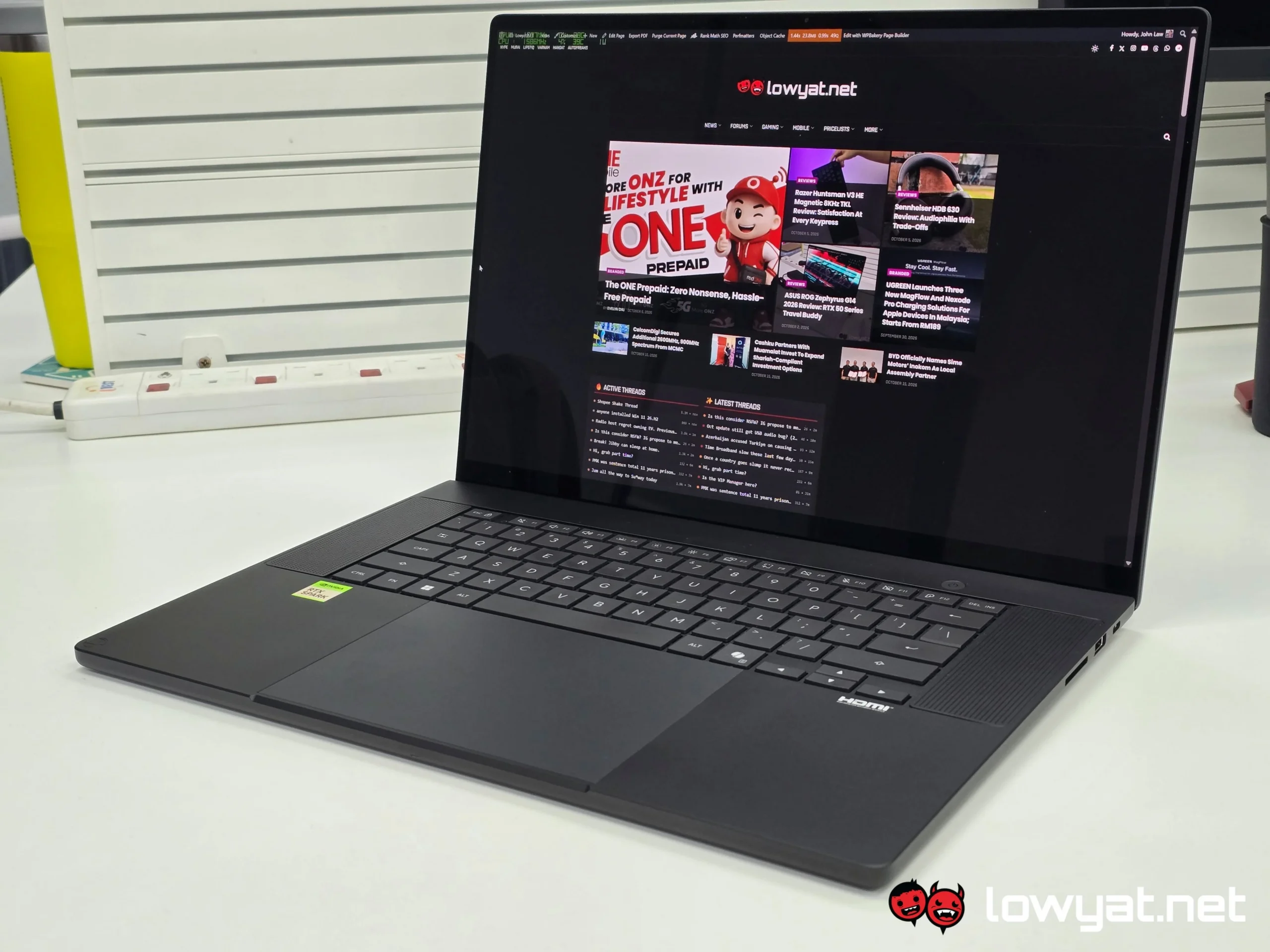
Asus has deployed the ProArt P16 RTX Spark, introducing NVIDIA's ARM-based RTX Spark processor co-designed with MediaTek to creator hardware. Following the lifting of official media embargoes on 15 October 2026, early local testing by Lowyat.NET confirmed that the 16-inch laptop successfully runs demanding AAA PC titles on an ARM System-on-Chip (SoC) using Blackwell architecture. While official Malaysian pricing and retail availability have not been finalised, local consumers face costs reaching thousands of Ringgit. The hardware demonstrates that x86-to-ARM gaming compatibility barriers have been addressed through integrated translation layers and DLSS Multiframe Generation, positioning the system as a high-end alternative for Malaysian creators and mobile PC gamers seeking portable workstation performance.
Key Facts
The Asus ProArt P16 RTX Spark combines an ARM-based MediaTek co-designed processor with NVIDIA Blackwell graphics architecture in a magnesium alloy chassis.
| Attribute | Value |
| Device Model | Asus ProArt P16 RTX Spark |
| Processor | NVIDIA RTX Spark (co-designed with MediaTek; 18-core or 20-core CPU options) |
| Graphics Architecture | NVIDIA Blackwell (up to 5,120 CUDA cores on 18-core; 6,144 CUDA cores on 20-core) |
| Unified Memory | 64GB LPDDR5X (tested unit; architecture supports 24GB to 128GB) |
| Internal Storage | 1TB PCIe 4.0 SSD installed; 2x full-sized PCIe 5.0 expansion slots |
| Display | 16-inch 3K (2,880 x 1,800) ROG Nebula OLED, 16:10 aspect ratio, 120Hz refresh rate |
| Battery Capacity | 99.9Wh 4-cell Lithium-Ion |
| Ports | 3x USB4 (40Gbps), 1x USB-A 3.2 Gen2, 1x HDMI 2.1 FRL, SD Express 7.0, 3.5mm audio jack |
| Malaysian Pricing | Not officially disclosed; estimated in thousands of Ringgit |
| Chassis Material | Milled magnesium alloy |
How Does the NVIDIA RTX Spark Architecture Perform in Gaming?
The Asus ProArt P16 RTX Spark achieves stable triple-digit frame rates across demanding AAA titles by pairing an ARM-based MediaTek co-designed processor with Blackwell graphics architecture. Running native resolution with ray tracing and DLSS Multiframe Generation enabled, the machine sustains 120 frames per second in modern PC releases without encountering typical architectural translation bottlenecks.
During initial benchmarking by Lowyat.NET on a 20-core configuration equipped with 6,144 Blackwell CUDA cores and 64GB of unified LPDDR5X memory, the laptop delivered consistent performance across several control titles. In Control Resonant, the system achieved a 120 fps average at native 3K resolution (2,880 x 1,800) with High graphics presets, ray tracing set to Medium, and Multiframe Generation set to 6x. Lowering the output resolution to FHD+ (1,920 x 1,200) raised average frame rates past 200 fps. Testing across Cyberpunk 2077, 007 First Light, and Doom: The Dark Ages demonstrated frame counts exceeding 100 fps on second-highest graphics presets with 6x frame generation active.
"For NVIDIA? They basically took multiple pages out of Qualcomm’s book of trial and errors, added their gaming DNA, made damn sure that the majority of compatibility issues between the x86 and ARM architectures were resolved, and what you have is something I’d never thought I’d see: playing AAA titles on an SoC, along with all the accoutrements that comes with an NVIDIA chipset." John Law, Lowyat.NET
NVIDIA RTX Spark maintains over 100 frames per second across AAA titles on ARM architecture when paired with DLSS Multiframe Generation.
What Hardware and Display Features Does the ProArt P16 RTX Spark Include?
The Asus ProArt P16 RTX Spark integrates high-bandwidth input-output options alongside a colour-accurate 3K OLED panel into a magnesium alloy chassis. Powered by a 99.9Wh battery, the system accommodates internal storage upgrades via two PCIe 5.0 slots, offering creator-grade functionality in a form factor derived directly from the ROG Zephyrus laptop family.
The chassis shares structural design cues with the Asus ROG Zephyrus range but swaps gaming branding for ProArt creator utilities. Visual output is handled by a 16:10 3K ROG Nebula OLED screen operating at up to 120Hz, though testing revealed an unresolved firmware or sensor quirk where the display intermittently dims and turns dark. Connectivity includes three USB4 40Gbps ports, a USB-A 3.2 Gen2 connection, a full-size HDMI 2.1 FRL port, an SD Express 7.0 card reader, and an audio combo jack. Internal expansion is supported by two full-length PCIe 5.0 SSD slots, one of which houses the pre-installed 1TB PCIe 4.0 drive. A smaller 14-inch variant with identical hardware specifications has also been designed under the same product tier.
The laptop motherboard features two full-sized PCIe 5.0 slots alongside a 99.9Wh battery and a 120Hz 3K OLED display.
What It Means for Malaysian Buyers
Malaysian availability and official retail pricing for the Asus ProArt P16 RTX Spark remain unannounced, though early evaluations confirm buyers will face premium price tags running into thousands of Ringgit. While gaming compatibility over ARM architecture succeeds, prospective local purchasers should weigh unconfirmed local release schedules and intermittent display-dimming anomalies before committing funds.
Asus Malaysia has not confirmed local distribution schedules, warranty coverage, or SIRIM certification timelines for the RTX Spark series. Local creative professionals and enthusiasts currently reliant on x86 machines from the ROG Zephyrus or standard ProArt catalogues should wait for commercial units to reach local retail channels before upgrading. The hardware validates that NVIDIA's ARM implementation handles standard PC software libraries without catastrophic frame pacing drops, but long-term battery performance and driver stability across creator suites still require extended local verification.
Official Malaysian retail pricing and distribution dates for the Asus ProArt P16 RTX Spark have not yet been disclosed.
Common Questions
Can the Asus ProArt P16 RTX Spark run standard PC games without x86 Intel or AMD processors?
Yes. Testing confirms the MediaTek co-designed NVIDIA ARM processor runs commercial titles including Cyberpunk 2077 and Doom: The Dark Ages above 100 fps using integrated translation layers alongside NVIDIA DLSS and Multiframe Generation.
What memory and processor options exist for the NVIDIA RTX Spark chipset?
NVIDIA offers an 18-core CPU variant with 5,120 CUDA cores supporting 24GB or 32GB of unified memory, and a 20-core variant with 6,144 CUDA cores supporting 24GB up to 128GB of memory.
Does the Asus ProArt P16 RTX Spark support internal storage expansion?
Yes. The laptop motherboard contains two full-sized PCIe 5.0 M.2 slots. Factory units ship with a 1TB PCIe 4.0 SSD installed in one slot, leaving the second connector accessible for secondary high-speed storage.
Sources and Methodology
Data compiled directly from hardware evaluations and technical breakdowns published by Malaysian technology publication Lowyat.NET on 15 October 2026. Benchmark figures, display specifications, memory parameters, and chassis details reflect direct testing conducted on an engineering evaluation unit. Pricing figures remain unannounced in Ringgit; no foreign currency conversions were applied due to the absence of overseas manufacturer suggested retail pricing in the source documentation.
All benchmark metrics and hardware specifications reflect testing conducted on a 64GB Unified Memory review unit.
Related coverage
More Laptops & PCs →Filed under
- #Tech
- #PC Gaming
- #Review
Network · latest from sister sites