Insta360 Mic Launches With E-Ink Screen and AI Audio
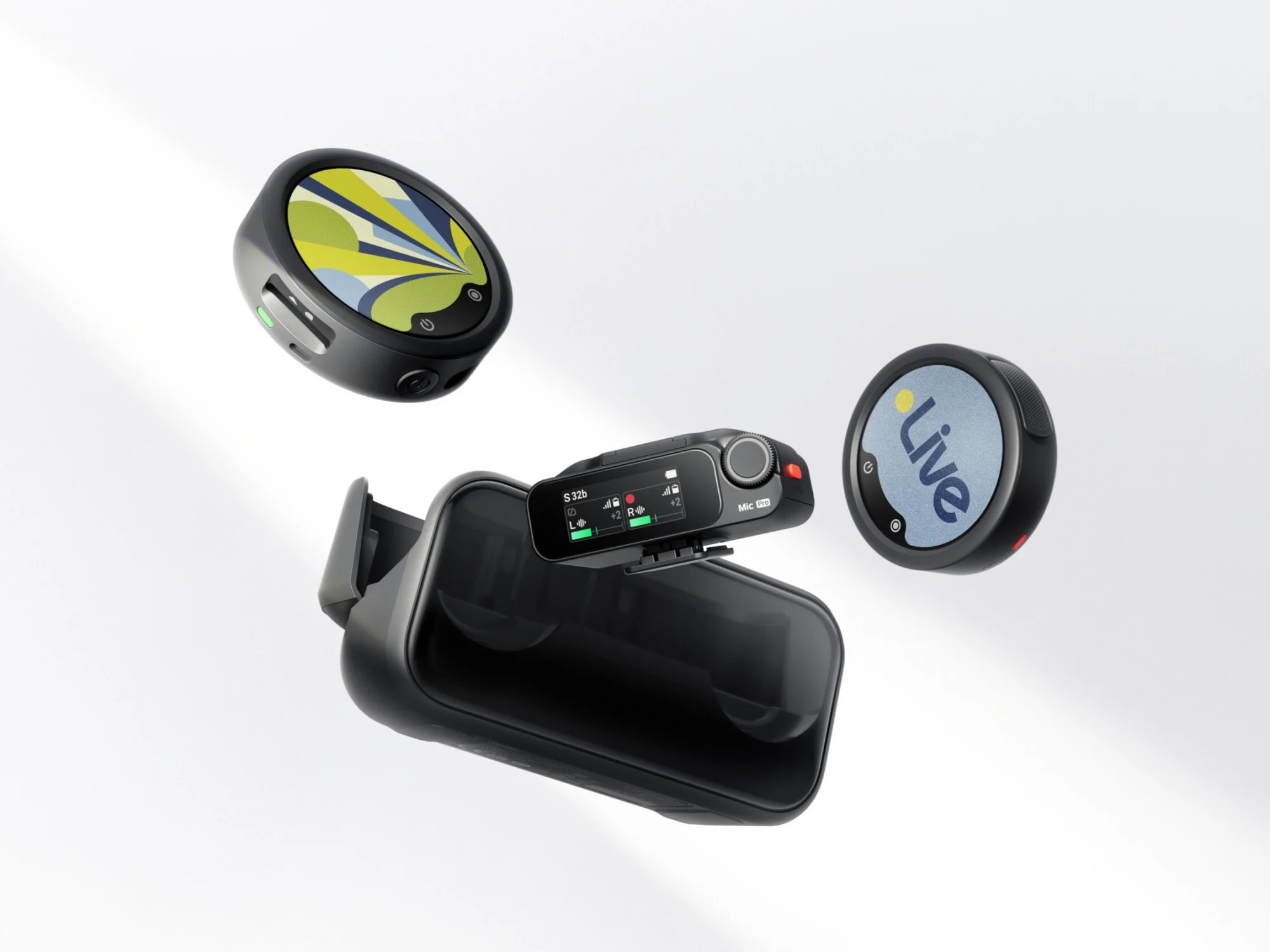
Insta360 has officially launched the standard Insta360 Mic, completing the brand's wireless audio portfolio by slotting between the entry-level Mic Air and the flagship Mic Pro. Announced globally on 24 October 2026, the mid-tier wireless microphone introduces a 1.22-inch 6-colour e-ink display, an integrated NPU for AI noise cancellation, and standalone internal recording via a microSD card slot. Pricing starts at US$140 (~RM572, estimated) for a single-transmitter and receiver package. While international sales have commenced, official Malaysian availability, local retail pricing, and distributor allocation remain unannounced, leaving local content creators monitoring cross-border channels for confirmed domestic stock.
Key Facts
| Attribute | Value |
|---|---|
| Product Model | Insta360 Mic |
| Transmitter Weight | 19.4g |
| Display | 1.22-inch 6-colour customisable e-ink screen |
| Audio Format Support | 32-bit float audio (requires microSD card), 48kHz Bluetooth direct |
| Noise Cancellation | Dedicated AI audio chip with built-in NPU |
| Storage | Expandable via microSD card slot (no built-in internal storage) |
| Battery Life | Up to 13 hours (transmitter), up to 34 hours (with charging case) |
| Direct Bluetooth Pairing | Insta360 X6, X5, Luna Ultra, Luna Pro, GO Ultra, Ace Pro 2 |
| Receiver Pairing Capacity | Up to 4 transmitters simultaneously (supports mixed Mic and Mic Pro units) |
| Global Launch Price | US$140 (~RM572, estimated) for 1 TX + 1 RX bundle |
| Malaysian Availability | Unconfirmed at launch |
| Announcement Date | 24 October 2026 |
How Does the Insta360 Mic Handle Audio Recording and Storage?
The Insta360 Mic relies on an omnidirectional microphone paired with an onboard neural processing unit for noise filtering, while offloading all internal recording to an external memory card. Unlike the Mic Pro, it contains no integrated memory, requiring users to install a microSD card to unlock backup recording tracks and high-dynamic-range 32-bit float audio capture.
Users connecting directly to compatible hardware—including the Insta360 X6, X5, Luna Ultra, Luna Pro, GO Ultra, and Ace Pro 2—can transmit 48kHz audio over Bluetooth without attaching an external receiver. For third-party devices such as mirrorless bodies, DSLRs, and smartphones, the standalone receiver manages the link and can accept feeds from up to four transmitters at once, including mixed setups using both standard and Pro transmitters.
The Insta360 Mic requires an optional microSD card to access internal recording and 32-bit float audio processing.
How Do the Hardware Specs and Battery Life Compare to the Mic Pro?
The standard transmitter weighs 19.4g in a button-style profile, making it slightly lighter than the Mic Pro while retaining the identical 1.22-inch 6-colour e-ink screen for personalised graphics. However, the standard version surpasses the flagship model in operational runtime, offering substantial battery gains across both individual and case-assisted use cycles.
A single transmitter provides up to 13 hours of continuous operation on a single charge, compared to the 10 hours delivered by the Mic Pro. When paired with the bundled charging case, overall endurance reaches 34 hours, exceeding the flagship model's 30-hour total rating by four hours. The trade-off remains internal hardware storage, which has been removed entirely from the mid-tier iteration in favour of external media cards.
Each 19.4g transmitter achieves up to 13 hours of continuous recording, extending to 34 hours when recharged via the case.
What It Means for Malaysian Buyers
Insta360 has not disclosed official Malaysian pricing, SIRIM certification status, or local retail availability for the new microphone kit. Buyers in Malaysia must evaluate the global baseline price of US$140 (~RM572, estimated) against existing options like the Mic Air and Mic Pro, while factoring in the added cost of a high-speed microSD card for standalone audio logging.
Local creators running compatible Insta360 camera bodies can eliminate receiver dongles entirely via direct 48kHz Bluetooth linking, but those needing guaranteed local distributor warranties will need to wait for local authorised channels to confirm shipment dates. Until local distributors detail domestic warranty support and regional retail packages, grey-market imports will carry risk regarding warranty claims and device replacement.
Official Malaysian retail pricing, distributor allocations, and local warranty coverage for the Insta360 Mic remain unconfirmed.
Common Questions
Does the Insta360 Mic come with built-in storage?
No, the standard Insta360 Mic contains no internal memory. Users who want internal audio backup or 32-bit float recording capabilities must insert an external microSD card into the integrated card slot on the transmitter.
Which cameras support direct Bluetooth pairing with the Insta360 Mic?
Direct receiver-free 48kHz Bluetooth audio recording is officially supported on the Insta360 X6, X5, Luna Ultra, Luna Pro, GO Ultra, and Ace Pro 2. Connecting to smartphones, mirrorless cameras, or DSLRs requires using the dedicated receiver unit.
How much does the Insta360 Mic cost in Malaysia?
Official Malaysian ringgit pricing has not been announced. The product launched internationally at US$140 (~RM572, estimated) for a bundle containing one transmitter and one receiver, with domestic distributor pricing and regional availability details still pending.
Sources and Methodology
Information sourced from reporting by Lowyat.NET ("Insta360 Mic Officially Launched With E-Ink Display, Expandable Storage" by Nurul Kamil, published 24 October 2026), based on official technical specifications from Insta360. Currency conversion of US$140 to approximately RM572 reflects approximate market foreign exchange rates as cited in original reporting. All specifications, runtime figures, and product compatibility tiers reflect manufacturer data verified as of October 2026.
Related coverage
More AI & Software →Filed under
- #Tech
Network · latest from sister sites