Why Intel Googlebooks Struggle with Android Apps
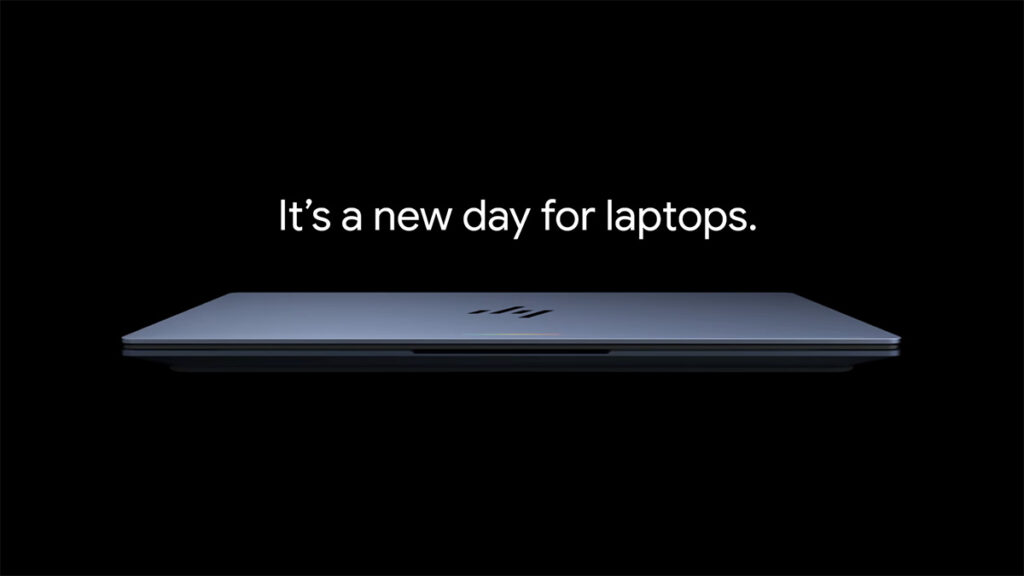
Google has officially launched its premium Googlebook laptop ecosystem, transitioning away from traditional Chromebooks to an Android-desktop hybrid architecture running on either Intel Core Ultra 5 or Qualcomm Snapdragon X Elite silicon. Manufactured by hardware partners including Acer, ASUS, Lenovo, HP, and Dell, the Googlebook line introduces haptic glass trackpads, aluminium chassis, and integrated Gemini AI features. For mobile gamers and power users in Malaysia and Southeast Asia seeking desktop Android emulation, hardware selection dictates software viability: Qualcomm's native ARM64 architecture runs complex Google Play Store titles seamlessly, whereas Intel's x86-64 models suffer from severe binary translation penalties that cause UI stutter, frame rate drops, and application crashes.
Key Facts
| Attribute | Value |
| Hardware Platform | Googlebook (Googlebook OS) |
| Silicon Configurations | Intel Core Ultra 5 (x86-64) / Qualcomm Snapdragon X Elite (ARM64) |
| Hardware Partners | Acer, ASUS, Lenovo (Intel); HP, Dell (Qualcomm); Samsung (MediaTek 3nm unreleased) |
| Base Retail Launch Price | Starts at US$899 (~RM3,965 estimated import conversion) |
| Western Release Date | 12 October 2026 (US and UK retail channels) |
| Southeast Asia Release Window | Upcoming rollout waves (Direct grey import / Play-Asia sourcing required) |
| Android Ecosystem Coverage | Over 95% native ARM Android application base in Google Play Store |
| Regional Language Support | Multi-language system support with English interface active out of box |
Why Do Intel Googlebooks Suffer a Performance Penalty in Android Mobile Games?
Intel Core Ultra 5 Googlebooks struggle with Android gaming because over 95 percent of the Google Play Store is compiled natively for ARM architecture. Running ARM mobile code on an x86 Intel processor requires an active real-time binary translation layer, creating compute bottlenecks that degrade frame rates and cause mobile software instability.
While lightweight productivity tools such as WhatsApp and Spotify clear the x86 translation pipeline without significant latency, heavy mobile graphics engines and media editing software degrade under binary emulation. In addressing the performance disparity across processor architectures, Google officially acknowledged the translation bottleneck:
A small handful of complex apps or games need some developer tuning to run their best on Intel-based platforms.
Google Official Statement
Because mobile software developers prioritise the billions of active ARM smartphones globally, manual x86 patch optimisation for niche Intel laptops remains unlikely. Intel-powered Googlebooks running x86 processors incur severe frame rate drops and interface scaling crashes when translating complex ARM-native Google Play Store applications.
Which Googlebook Configuration Offers Native Android Application Compatibility?
Qualcomm Snapdragon X Elite Googlebooks provide complete native Android compatibility by executing ARM64 instructions directly without binary emulation. Models from HP and Dell match the native silicon profile of modern Android mobile software, ensuring stable frame pacing, efficient battery draw, and immediate access to intensive Play Store titles.
By bypassing instruction translation entirely, Qualcomm-powered units preserve hardware cycles for GPU rendering and system-level multi-tasking. Users attempting to run demanding Android creative software or multi-touch mobile titles on a desktop setup avoid the execution errors typical of x86-translated containers. Furthermore, database listings reveal a forthcoming Samsung Googlebook powered by MediaTek's 3nm chipset, which will offer another native ARM alternative targeting mid-range price segments. Qualcomm Snapdragon X Elite Googlebooks run mobile Android games and applications natively on ARM64 silicon without translation bottlenecks or stability compromises.
Southeast Asia & Malaysian Collector Verdict
At a baseline retail entry price of US$899 (~RM3,965 before logistics and local duties), Malaysian consumers and handheld enthusiasts must bypass Intel SKUs (Acer, ASUS, Lenovo) if mobile app workflows are the core purchase objective. While conventional PC handhelds like the Steam Deck and ROG Ally rely on x86 architectures optimised for Proton-translated Windows libraries, the Googlebook relies squarely on Android's mobile heritage, which inherently favours ARM hardware.
Because official retail rollout for Malaysia and regional Southeast Asian territories remains scheduled for subsequent rollout waves, initial regional supply relies on grey-market importers and platforms such as Play-Asia. When procuring an imported Googlebook, buyers should verify the processor label alongside the trackpad to confirm a Qualcomm Snapdragon X Elite chipset, ensuring native hardware compatibility with SEA regional Android account libraries. Malaysian buyers prioritising mobile gaming workflows should skip Intel-based Googlebook models entirely in favour of native Qualcomm Snapdragon X Elite import units.
Common Questions
Can an Intel Googlebook run standard Android utility apps smoothly?
Yes. Basic productivity applications such as WhatsApp and Spotify process through the x86 real-time binary translation layer without substantial lag, making Intel Core Ultra 5 models sufficient for standard web browsing and Google Workspace tasks.
Is Google's Magic Pointer AI exclusive to Googlebook hardware?
No. Google's Magic Pointer feature, which integrates Gemini AI directly into cursor navigation, is rolling out across Google Chrome on Windows and macOS, eliminating the requirement to purchase new hardware solely for the interface tool.
Are regional Southeast Asian editions of the Googlebook currently available at local retail?
Not yet. Googlebooks launched initially on 12 October 2026 across the United States and the United Kingdom, with regional availability and official ringgit pricing for Malaysia and Southeast Asia arriving in subsequent rollout stages.
Sources and Methodology
Analysis verified against reporting from Adam Lobo Media Group (Vernon Chan, 12 October 2026) and technical developer documentation cited via Android Central. Financial estimations reflect US$899 base MSRP converted at an approximate foreign exchange baseline of USD 1 to RM 4.41, excluding local import freight and cross-border customs surcharges.
Related coverage
More Laptops & PCs →Filed under
- #Gaming
- #PC Gaming
- #Imports
Network · latest from sister sites