How the Apple iPod Shaped the Modern Digital World
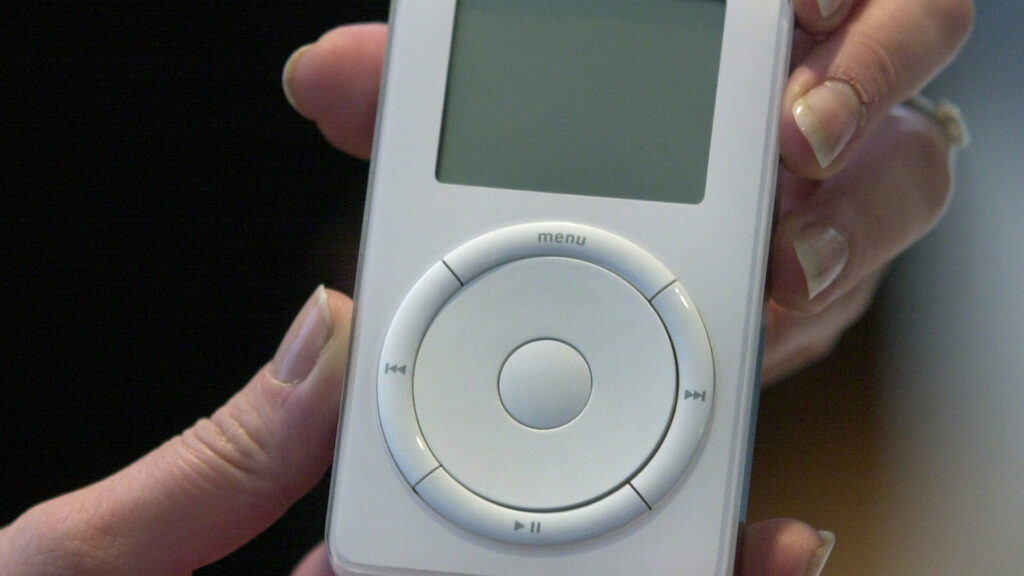
Apple marked the 25th anniversary of the original iPod on 23 October 2026, reflecting on the portable music player that reshaped consumer hardware and digital distribution. First introduced by Steve Jobs in 2001 for $399 (~RM1,760, estimated), the original 5GB device held 1,000 songs and established Apple's ecosystem strategy. Apple phased out the hardware line entirely on 10 May 2022 with the discontinuation of the iPod Touch after surpassing 450 million cumulative sales. For Malaysian consumers and retro-hardware enthusiasts, legacy iPod hardware now primarily exists as a secondary-market platform for DIY flash-memory modifications and standalone offline listening, completely disconnected from modern subscription-based data ecosystems.
Key Facts
| Attribute | Value |
| Original Announcement Date | 23 October 2001 |
| Original Retail Launch Date | 10 November 2001 |
| Original Launch Price | $399 (~RM1,760, estimated) |
| Initial Storage & Drive Format | 5GB 1.8-inch Toshiba mechanical hard drive |
| Data Interface | FireWire 400 (under 10 minutes for 1,000 songs) |
| Peak Revenue Contribution | Approximately 40% of Apple total corporate revenue (2006) |
| Final Model Discontinuation Date | 10 May 2022 (iPod Touch) |
| Total Lifetime Units Sold | Over 450 million units |
How Did the Original Hardware Solve Early MP3 Limitations?
The original iPod solved file transfer bottlenecks and pocket storage constraints through two key components: Toshiba's 1.8-inch 5GB hard drive and Apple's FireWire 400 interface. In 2001, alternative portable players relied on 15-to-30-track flash memory or bulky 2.5-inch hard drives bottlenecked by USB 1.1 transfer speeds that took hours to load libraries.
Led by hardware consultant Tony Fadell, engineer Michael Dhuey, software architect Stan Ng, design lead Jony Ive, and marketing head Phil Schiller, Apple developed the first model in eight months. Schiller conceived the mechanical scroll wheel to navigate thousands of alphabetised tracks using a single thumb, paired with FireWire 400 syncing that transferred an entire 1,000-song library at 160kbps MP3 quality in under ten minutes.
No wireless. Less space than a nomad. Lame.
Slashdot, October 2001
Apple leveraged exclusive rights to Toshiba's 1.8-inch drive architecture alongside FireWire 400 to achieve ten-minute library synchronisation.
Why Did Apple Discontinue the iPod Product Line?
Apple discontinued the iPod line because the smartphone converged separate media devices into a single cellular terminal, eliminating the commercial need for dedicated MP3 players. Steve Jobs recognised this vulnerability as early as 2005, actively designing the iPhone to replace Apple's standalone music player hardware before competitors could do so.
When the iPhone debuted in January 2007, Apple framed it directly as a widescreen touch iPod alongside a mobile phone and internet communicator. By mid-2010, iPhone sales permanently eclipsed iPod volumes. Rising cellular bandwidth and on-demand streaming services subsequently made local audio file management obsolete. Apple retired the iPod Classic in September 2014, the iPod Nano and iPod Shuffle in July 2017, and the final iPod Touch on 10 May 2022.
The iPod was systematically phased out internally as its media playback architecture was entirely absorbed by the iPhone, Apple Watch, and Apple Music.
Why Is Retro Flash-Modding Gaining Traction Among Enthusiasts?
Retro flash-modding has expanded because users seek distraction-free devices and tactile interaction that modern flat glass smartphones do not deliver. Enthusiasts refurbish fifth-, 5.5th-, and seventh-generation iPod Classic models by extracting failing mechanical hard drives and installing solid-state SD card or CompactFlash adapters ranging from 512GB to 1TB in size.
These modifications regularly incorporate larger lithium-polymer batteries, replacement faceplates, and aftermarket Bluetooth transmitters, with the fifth-generation 5.5 variant prized specifically for its integrated Wolfson DAC audio chip. Beyond the mechanical snap of the click wheel and physical 3.5mm headphone jacks, modified units offer an alternative to streaming platforms that alter licensing rights or push algorithmic music feeds.
Enthusiast flash-modding repurposes vintage iPod Classic chassis with solid-state storage up to 1TB to deliver offline listening free from notifications.
What It Means for Malaysian Buyers
Official local retail availability for the Apple iPod lineup no longer exists in Malaysia. Apple Malaysia, authorised Apple Premium Resellers, and local mobile operators (Maxis, CelcomDigi, U Mobile, and Unifi) carry no inventory or cellular plans for standalone iPod units, as Apple officially ended all hardware production in May 2022. Local consumer electronics certification via SIRIM or MCMC is no longer maintained for new iPod units, and official Apple servicing is limited strictly to legacy hardware guidelines.
Malaysian listeners seeking dedicated audio playback must source pre-owned fifth- or seventh-generation iPod Classic units via local peer-to-peer marketplaces for DIY flash modifications, or purchase certified contemporary Digital Audio Players (DAPs) from brands like Sony, Astell & Kern, and FiiO. For users wanting phone-free audio playback within the official Apple ecosystem, Apple Malaysia's supported route remains an Apple Watch paired with AirPods via an active offline sync configuration.
Common Questions
When was the original Apple iPod released and what was its price?
Steve Jobs unveiled the original iPod on 23 October 2001, and retail sales commenced on 10 November 2001 at $399 (~RM1,760, estimated). The model featured a 5GB mechanical drive storing roughly 1,000 songs encoded at 160kbps.
When did Apple officially end all iPod hardware production?
Apple formally discontinued its final surviving iPod variant, the iPod Touch, on 10 May 2022. This followed earlier phase-outs of the iPod Classic in September 2014 and both the iPod Nano and iPod Shuffle in July 2017.
What does modern iPod flash-modding entail?
Flash-modding involves disassembling vintage iPod Classic units to replace aging spinning hard drives with SD card adapters holding 512GB to 1TB of solid-state storage. Modders frequently upgrade battery capacities and add internal Bluetooth transmitters.
Sources and Methodology
Data verified against retrospective documentation and reporting published by Vernon Chan via Adam Lobo Media Group on 25 October 2026. Currency conversions from historical US Dollar retail figures are baseline estimates calculated at an approximate exchange rate of USD 1 to RM 4.41. Local Malaysian availability status confirmed against current Apple distribution channels.
Related coverage
More Laptops & PCs →Filed under
- #Tech
- #PlayStation
- #Nintendo
- #Xbox
- #PC Gaming
- #Imports
Network · latest from sister sites