AMD Zen 6 Medusa Point APU Benchmark Leaks On Geekbench
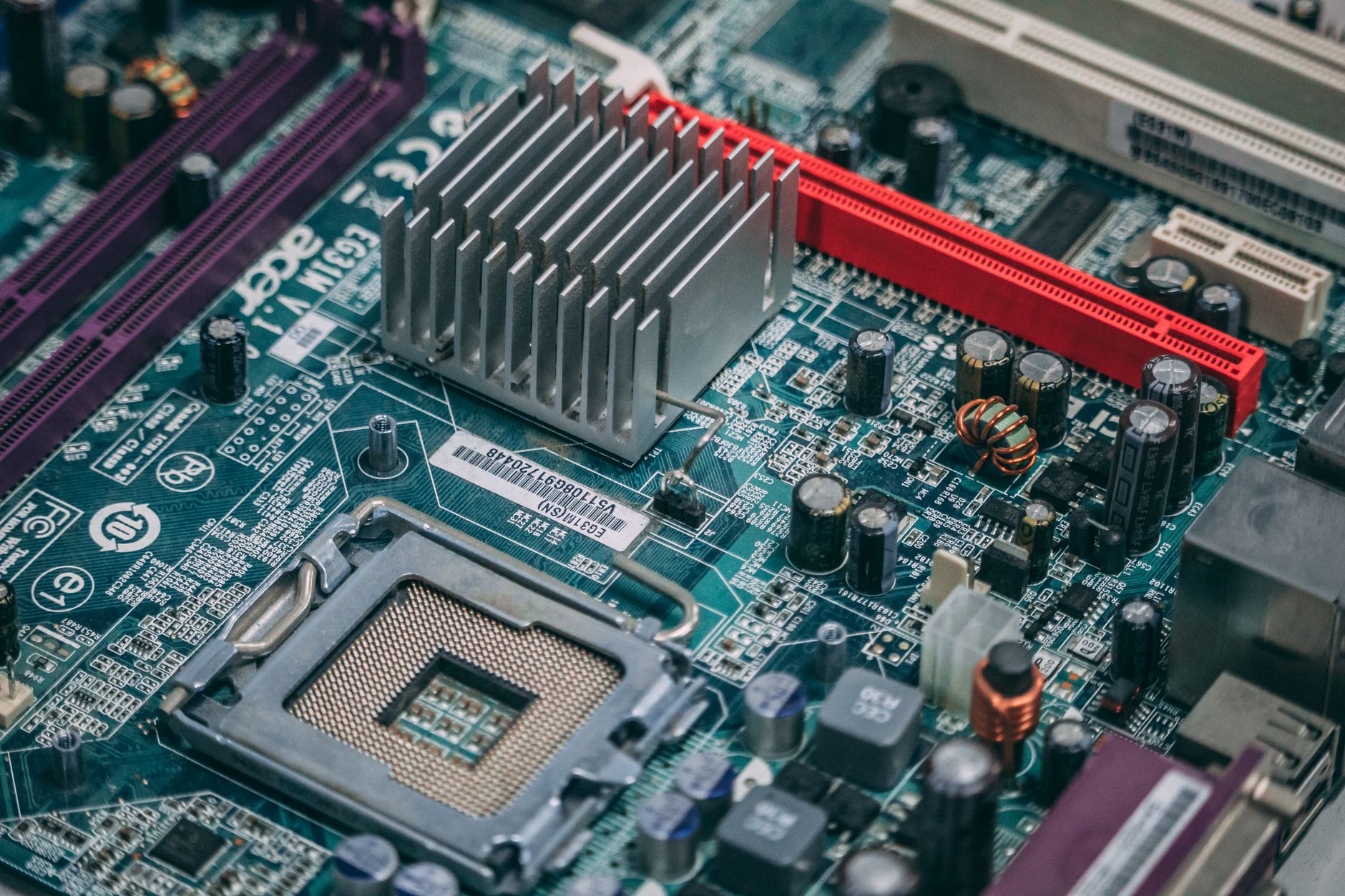
An alleged AMD Zen 6 Medusa Point accelerated processing unit (APU) has appeared on the Geekbench database, revealing an unusual 10-core, 20-thread hybrid architecture. Tested on a Lenovo laptop, the engineering sample posted a single-core score of 3,100 points and a multi-core score of 18,313 points. The repository listing highlights four Zen 6 performance cores and six Zen 6c efficiency cores, paired with mobile RDNA4m graphics. While retail pricing remains unannounced, sources indicate AMD aims to unveil Zen 6 at CES 2027. For prospective Malaysian laptop buyers, these early metrics suggest significant single-threaded performance gains ahead of eventual local commercial releases.
Key Facts
The leaked Geekbench benchmark confirms that AMD is evaluating an asymmetric 10-core Medusa Point APU for upcoming portable computers. Evaluated on a Lenovo evaluation notebook with DDR5 memory, the processor combines full AVX-512 capability with newly adapted RDNA4m graphics silicon. The benchmarked Zen 6 Medusa Point APU achieved 3,100 points in single-core testing and 18,313 points in multi-core testing.
| Attribute | Value |
| Processor Model | AMD Zen 6 Medusa Point APU (Alleged) |
| Core Configuration | 10 cores, 20 threads (4x Zen 6, 6x Zen 6c) |
| Cache Architecture | 32KB L1 instruction, 48KB L1 data, 1MB L2 per core; 16MB shared L3 cache |
| Clock Frequency | 2.0 GHz base clock |
| Vector Extensions | Full AVX-512, AVX512-FP16, AVX512-VNNI, AVX-VNNI |
| Integrated Graphics | RDNA4m Compute Units |
| Test Platform | Lenovo laptop, 64GB quad-channel DDR5 RAM (5,188MT/s) |
| Benchmark Benchmark Platform | Geekbench 7.1.0 for Windows AVX2 |
| Single-Core Score | 3,100 points |
| Multi-Core Score | 18,313 points |
| Target Announcement | CES 2027 (Rumoured) |
| Malaysian Pricing & Availability | Unconfirmed |
What Hardware Architecture Does Zen 6 Medusa Point Use?
The Zen 6 Medusa Point APU employs an asymmetric 10-core, 20-thread layout split between four Zen 6 performance cores and six Zen 6c efficiency-focused cores. This marks a structural shift for AMD mobile designs, combining standard compute cores with denser, power-optimised silicon to balance high-priority computing tasks against background system efficiency.
According to the Geekbench 7.1.0 listing, each core features 32KB of L1 instruction cache, 48KB of L1 data cache, and 1MB of dedicated L2 cache, supported by a 16MB L3 cache shared across all 10 cores. The repository lists a 2GHz base clock, though the reported boost clock registers lower, likely pointing to an early silicon misreading. The instruction set confirms full AVX-512 integration, including AVX512-FP16, AVX512-VNNI, and AVX-VNNI extensions. AMD has configured the Zen 6 Medusa Point APU with four Zen 6 cores and six Zen 6c cores sharing 16MB of L3 cache.
How Does Medusa Point Performance Compare with Existing Chips?
Medusa Point demonstrates substantially faster single-core performance than existing mobile flagships whilst yielding multi-core throughput to processors with higher core counts. In Geekbench 7.1.0 testing, Medusa Point scored 3,100 points in single-core and 18,313 points in multi-core, outpacing the AMD Ryzen AI Max+ 395 in single-threaded operations.
The benchmark record indicates that the Medusa Point prototype was tested in a Lenovo chassis paired with 64GB of quad-channel DDR5 memory running at 5,188MT/s. By comparison, the AMD Ryzen AI Max+ 395 recorded 2,742 points in single-core and 27,412 points in multi-core testing. For graphical processing, the processor is rumoured to integrate Compute Units derived from AMD's desktop RDNA4 architecture into a mobile segment dubbed RDNA4m. The prototype Medusa Point APU scored 3,100 points in single-core testing compared to 2,742 points for the Ryzen AI Max+ 395.
What It Means for Malaysian Buyers
Malaysian consumers cannot purchase or pre-order AMD Zen 6 Medusa Point laptops at this time, as AMD has not officially announced retail availability or pricing. Local certification through SIRIM and distribution via brands such as Lenovo Malaysia remain pending until AMD presents the processor platform at CES 2027.
Local retail outlets in Malaysia, such as Compu-zone, Viewnet, Sri Computers, and Startec, continue to stock notebook models running Zen 4 and Zen 5 silicon alongside current Ryzen AI platforms. With an official debut anticipated only at the start of CES 2027, buyers in Malaysia requiring immediate computing upgrades should rely on existing retail channels. Ringgit (RM) pricing and authorised local warranty coverage remain unestablished until domestic distributors confirm stock shipments. AMD Zen 6 Medusa Point processors have no confirmed launch dates, local pricing, or SIRIM certification in Malaysia.
Common Questions
Key inquiries regarding the leaked AMD Zen 6 Medusa Point APU focus on architecture specifications, performance metrics, and expected release schedules. Leaked benchmark data provides technical insight into core structures, memory configurations, and mobile graphics integration. Technical leaks indicate AMD plans to reveal Zen 6 processors at CES 2027.
What is the core configuration of the AMD Zen 6 Medusa Point APU?
The processor features a 10-core, 20-thread setup split into four standard Zen 6 cores and six compact Zen 6c cores. It is equipped with 1MB of L2 cache per core and a 16MB shared L3 cache across the package.
What graphics architecture is featured in Medusa Point?
Medusa Point is rumoured to introduce mobile Compute Units derived from AMD's desktop RDNA4 architecture, designated as RDNA4m. This implementation represents the first mobile deployment of the graphics architecture, paired in early benchmarks with quad-channel DDR5 memory.
When will AMD Zen 6 laptops be announced?
Industry sources indicate AMD intends to announce its Zen 6 processors at the start of CES 2027. Commercial availability, regional pricing for Malaysia in ringgit (RM), and brand retail rollout dates will follow after the formal platform unveiling.
Sources and Methodology
This dispatch analyses benchmark records originally reported by Lowyat.NET on 8 November 2026, referencing Geekbench 7.1.0 data shared by hardware leaker HXL. Additional context is drawn from Videocardz and TechPowerUp reporting, verifying technical parameters without applying speculative currency conversions. All specifications and performance scores originate directly from Geekbench 7.1.0 database records.
Related coverage
More Laptops & PCs →Filed under
- #Tech
- #PC Gaming
Network · latest from sister sites