Rapid KL Launches RM1 Fixed-Route Feeder Van Pilot
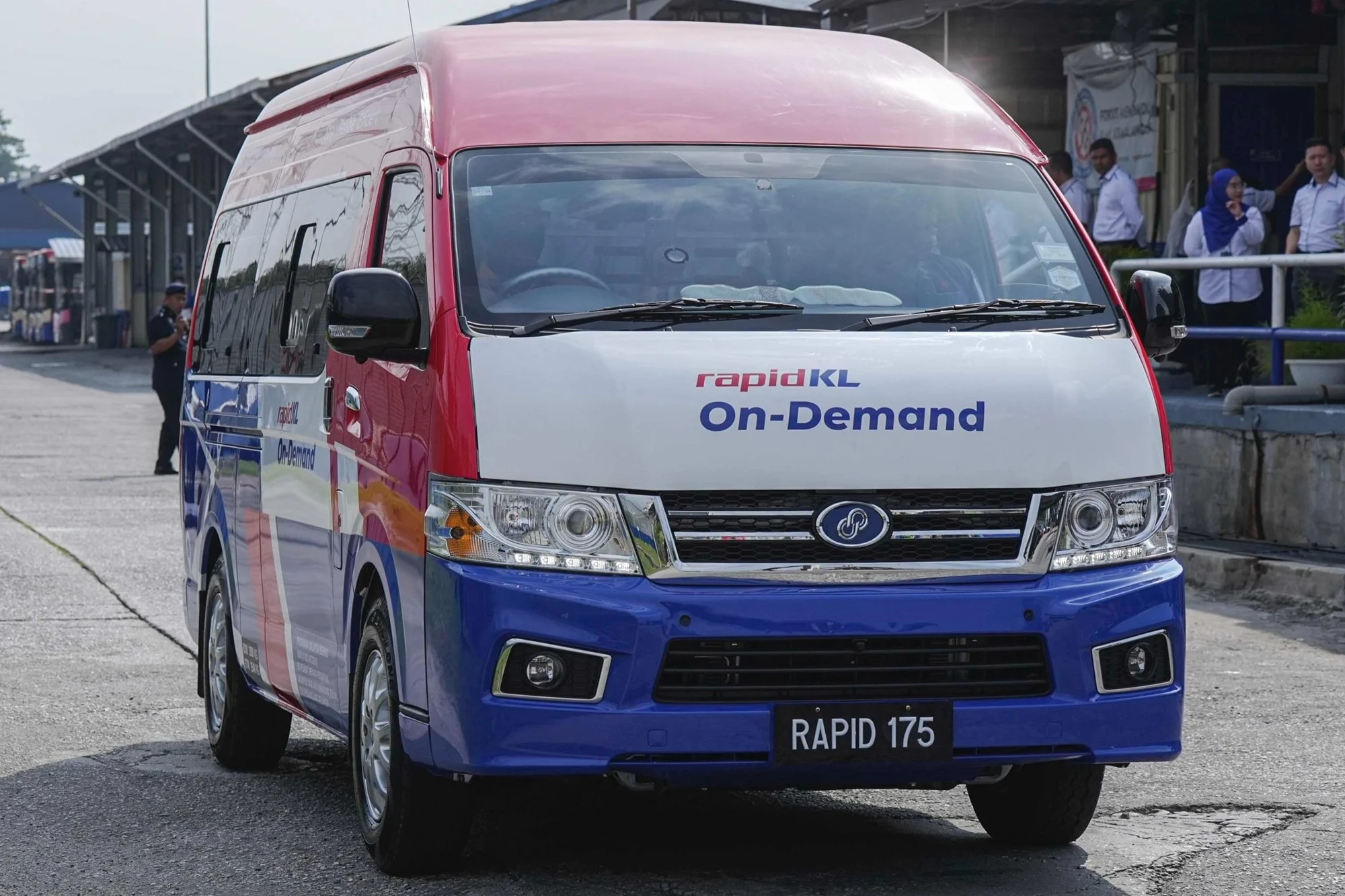
Rapid KL will initiate a three-month pilot project for fixed-route feeder vans across selected Klang Valley corridors starting 24 October 2026. The trial introduces a flat fare of RM1 per trip to assess whether scheduled, fixed-route van services improve first- and last-mile connectivity to rail networks more effectively than dynamic on-demand booking systems. Commuters can board at designated stops without prior app reservations, paying via Touch 'n Go cards, debit cards, or credit cards. The initiative directly impacts commuters in Bandar Tun Razak and Putrajaya by replacing two existing on-demand zones during the initial phase.
Key Facts
| Attribute | Value |
| Operator | Rapid KL (Rapid Bus) |
| Service Type | Fixed-route feeder vans |
| Pilot Start Date | 24 October 2026 |
| Pilot Duration | Three months |
| Standard Fare | RM1 per trip |
| Concession Fares | 50% discount (MyRapid Concession); Free (Rapid Mesra pass) |
| Payment Methods | Touch 'n Go cards, debit cards, credit cards |
| Service Frequency | 15 to 20 minutes |
| Booking Requirement | None (walk-up boarding at designated stops) |
| Suspended On-Demand Zones | T400B (Bandar Tun Razak to Taman Midah), T512B (Precinct 11 to Putrajaya Sentral) |
How Does the Fixed-Route Van Service Operate?
The fixed-route feeder vans operate on a walk-up schedule with vehicle departures running every 15 to 20 minutes from designated stations and stops. Commuters do not need to pre-book rides via the Rapid On-Demand mobile app, eliminating digital booking barriers while maintaining a standardised RM1 flat rate across all operational trial routes.
Payment collection is entirely cashless, accepting standard Touch 'n Go cards alongside contactless bank debit and credit cards directly on board. Registered MyRapid Concession Card holders receive a 50 percent discount on the standard fare, reducing travel costs to RM0.50 per trip, while Rapid Mesra pass holders travel free of charge.
Passengers can board the vans at designated stops every 15 to 20 minutes without using an app.
Which Routes and On-Demand Zones Are Affected?
Rapid KL is temporarily suspending two existing Rapid KL On Demand service zones during the first phase of the pilot project. The suspension replaces dynamic on-demand routing in these sectors with scheduled fixed-route van operations linking residential neighbourhoods directly to high-capacity rail interchanges.
The first suspended zone is T400B, which links the Bandar Tun Razak station on the Sri Petaling Line with the Taman Midah station on the Kajang Line. The second affected sector is zone T512B, connecting Precinct 11 to the Putrajaya Sentral transport hub, which serves both the MRT Putrajaya Line and the KLIA Transit (ERL) service.
Through this pilot project, Rapid KL will evaluate an operational model based on fixed routes and schedules to enhance first- and last-mile connectivity, thereby improving community access to nearby rail stations.
Syahrul Azmir Ahmad Zaki, CEO of Rapid Bus
Two existing on-demand zones, T400B and T512B, are suspended to accommodate the fixed-route trial.
What It Means for Malaysian Commuters
For daily public transport users, this pilot provides a predictable, low-cost connection to major rail transit lines at RM1 without digital booking friction. Commuters who previously relied on the Rapid On-Demand app in Bandar Tun Razak and Putrajaya Precinct 11 must now adjust to fixed pickup stops and scheduled 15-to-20-minute intervals.
The transition tests whether fixed timetables resolve wait-time uncertainties often associated with app-based microtransit in high-density corridors. Findings gathered during the three-month implementation period will determine whether Rapid KL expands fixed-route vans across additional feeder networks in Selangor and Kuala Lumpur.
Commuters gain predictable RM1 rail connections but lose flexible app-based pickup points in affected zones.
Common Questions
Do passengers need the Rapid On-Demand app to ride these feeder vans?
No, the pilot operates on a fixed-route schedule. Passengers do not need to book trips through the Rapid On-Demand app and can board vehicles directly at designated stations and stops along the active routes.
What payment methods are accepted on the feeder vans?
Fares must be paid using cashless methods. The vans accept standard Touch 'n Go cards, contactless debit cards, and credit cards, alongside MyRapid Concession Cards for discounted travel and Rapid Mesra passes for free travel.
Which transit lines do the replacement routes connect to?
The trial routes connect to three major rail networks: the Sri Petaling Line at Bandar Tun Razak, the Kajang Line at Taman Midah, and both the Putrajaya Line and KLIA Transit at Putrajaya Sentral.
Sources and Methodology
Information sourced from official announcements by Rapid Bus CEO Syahrul Azmir Ahmad Zaki as reported by Lowyat.NET on 21 October 2026. All fare rates, route designations, frequencies, and operational dates reflect verified statements released by public transport operator Prasarana Malaysia Berhad.
Related coverage
More More tech →Filed under
- #Tech
Network · latest from sister sites