MCMC to Test Cell Broadcast Disaster Alerts in November
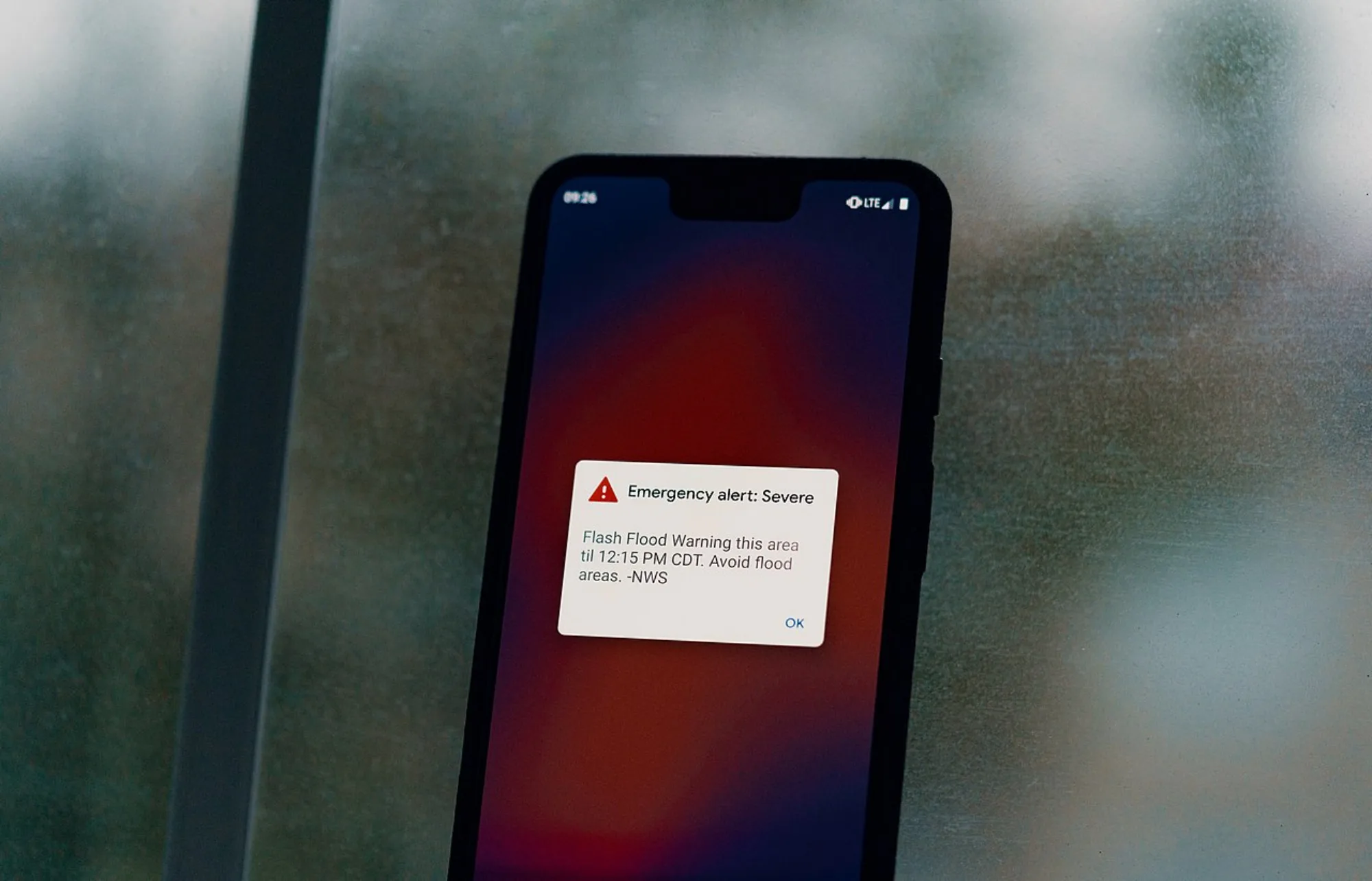
The Malaysian Communications and Multimedia Commission (MCMC) will conduct a live trial of its new Cell Broadcast System (CBS) on 19 November 2026. Designed to deliver emergency notifications directly to compatible mobile handsets, the upcoming test will focus on high-risk, flood-prone locations across Selangor, Kuala Lumpur, Kelantan, and Pahang. Unlike legacy SMS warnings, the cellular broadcast mechanism operates without an internet connection, airtime credit, or dedicated software applications. The exercise marks the final development phase of an initiative first outlined by the Malaysian government in 2024 to strengthen national disaster preparedness ahead of severe weather events.
Key Facts
The Malaysian Communications and Multimedia Commission will evaluate the Cell Broadcast System during a scheduled live test on 19 November 2026. The key operational attributes, deployment milestones, and technical parameters confirmed for the upcoming public safety trial are detailed below.
| Attribute | Value |
| Governing Body | Malaysian Communications and Multimedia Commission (MCMC) |
| Technology | Cell Broadcast System (CBS) |
| Live Test Date | 19 November 2026 |
| Test Locations | Selected high-risk areas in Selangor, Kuala Lumpur, Kelantan, and Pahang |
| Delivery Requirements | Compatible device connected to an active cellular tower (no internet, SMS, or app required) |
| Accessibility Support | Audio alerts, vibration cues, and screen-reader integration |
| Policy Inception | 2024 (Announced by Communications Minister Fahmi Fadzil) |
The live Cell Broadcast System trial scheduled for 19 November 2026 will test location-specific emergency warnings across four Malaysian states without requiring cellular data or SMS subscriptions.
How Does the Cell Broadcast System Function Without Internet?
The Cell Broadcast System transmits emergency notifications directly from cellular base stations to all compatible mobile devices within a specified geographical area. Because messages broadcast simultaneously across network radio channels rather than to individual telephone numbers, the system bypasses standard SMS queuing, functions without active mobile data plans, and requires no third-party applications.
Conventional emergency messaging in Malaysia has historically relied on standard telecommunications SMS relays, which can suffer from severe network congestion during major crises. In contrast, CBS pushes instantaneous one-to-many broadcasts to any handset locked onto a functioning local cell tower. Devices will receive these alerts across different mobile service providers, ensuring comprehensive coverage even if a user lacks airtime credit or an active subscription. Furthermore, the protocol incorporates dedicated accessibility support, generating high-volume audio tones, distinct vibration sequences, and screen-reader readouts to assist users with visual, auditory, or cognitive impairments.
Cell broadcast technology delivers immediate emergency notifications to every connected device within a cell tower's coverage zone without routing traffic through standard SMS queues or mobile data networks.
What Are the Vulnerabilities and Infrastructure Limits of CBS?
The Cell Broadcast System relies entirely on functioning telecommunications infrastructure to transmit disaster warnings to nearby mobile devices. If severe flooding, high winds, or power disruptions disable all cellular base stations within an affected area, the system cannot transmit alerts to residents until local network connectivity is physically restored.
While CBS removes dependence on public internet access and individual subscriber routing, it remains tethered to physical radio access networks. If a severe disaster disables base transceiver stations or cuts backhaul lines, mobile phones in that blackout sector cannot receive transmissions. Telecommunications network resilience, rapid site recovery, and auxiliary power solutions therefore represent critical operational dependencies for MCMC's disaster readiness framework.
Emergency alerts issued via cell broadcast cannot reach recipients if physical disaster damage disables all local telecommunications towers in the target zone.
What It Means for Malaysian Buyers
Malaysian consumers do not need to purchase specialised hardware or subscribe to specific telco packages to receive emergency cell broadcasts. Most modern smartphones officially certified for local use already contain integrated broadcast firmware, though end users should ensure emergency broadcast toggles remain enabled in device system settings.
For mobile users in Malaysia, the introduction of CBS brings national disaster alert capabilities in line with public safety networks currently operational in Japan and South Korea. Unlike regional commercial notification apps that mandate downloads and active background data, CBS works out of the box on compatible handsets across any functioning local network. Device owners residing in designated test areas across Selangor, Kuala Lumpur, Kelantan, and Pahang should note that alarms sounded on 19 November 2026 are part of a simulated drill, not an actual disaster declaration.
Malaysian smartphone owners do not require new equipment or data plans to receive government disaster broadcasts, provided their handsets support standard cell broadcast protocols.
Common Questions
Does the Cell Broadcast System require mobile internet or an active SIM card?
No. Cell broadcast operates over dedicated cellular radio channels rather than mobile data or SMS networks. As long as a compatible handset can connect to a functioning local mobile tower, it can receive emergency broadcasts even without data credit or an active internet connection.
Which areas will receive the emergency broadcast test on 19 November 2026?
The Malaysian Communications and Multimedia Commission scheduled the 19 November 2026 trial for selected high-risk, flood-prone locations across Selangor, Kuala Lumpur, Kelantan, and Pahang. The exercise will verify alert delivery mechanisms ahead of potential monsoon-related weather events.
Will the emergency broadcast sound an alarm if the phone is set to silent?
Compatible devices configured for emergency cell broadcasts typically override silent mode to sound distinct audio alerts and vibration patterns. The system also supports screen readers and accessibility aids to ensure critical safety information reaches individuals with hearing or visual impairments.
Emergency cell broadcasts operate independently of mobile subscriptions and will reach any compatible phone connected to an active Malaysian mobile network.
Sources and Methodology
This dispatch synthesises technical reporting published by Lowyat.NET on 14 October 2026, incorporating regulatory disclosures from the Malaysian Communications and Multimedia Commission, the New Straits Times, and The Sun. No currency conversions were applied because the source material contains no pricing figures.
Regulatory testing updates and technical specifications are verified against published communications from the Malaysian Communications and Multimedia Commission and official press documentation.
Related coverage
More Networks & 5G →Filed under
- #Tech
- #Imports
Network · latest from sister sites