Binance Confirms Security Breach and Protects User Funds
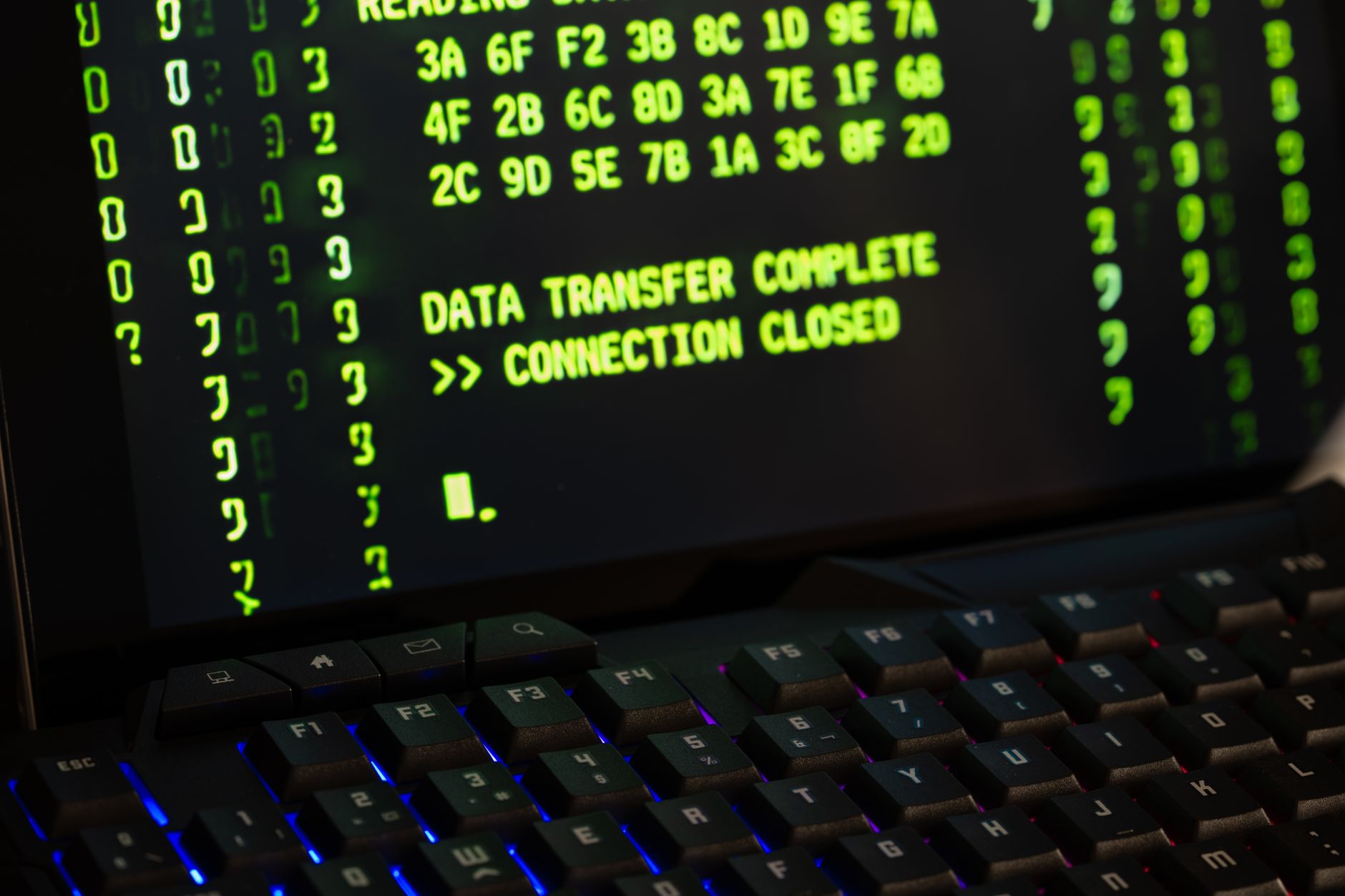
Cryptocurrency exchange Binance confirmed on 30 October 2026 that a major security breach potentially affected approximately US$6.3 billion (~RM25.5 billion) in digital assets. While the exchange stressed that this figure is an unconfirmed estimate and user balances remain intact, the platform has temporarily suspended deposits and withdrawals. For Malaysian crypto traders and account holders, the incident halts direct asset movements while Binance investigates unauthorised withdrawal transactions stemming from a compromised DevOps employee laptop. Approximately US$3 billion (~RM12.2 billion) in assets has been frozen on-chain, and Binance pledged to cover remaining losses using its US$1 billion Secure Asset Fund for Users (SAFU) alongside corporate reserves.
Key Facts
Binance confirmed an estimated US$6.3 billion security breach on 30 October 2026 caused by a compromised employee laptop. The exchange temporarily halted deposits and withdrawals, froze approximately US$3 billion in digital assets on-chain, and committed to covering all verified losses using corporate reserves and its emergency SAFU fund.
Binance has frozen approximately US$3 billion worth of digital assets while keeping user funds backed by emergency reserves following an estimated US$6.3 billion breach.
| Attribute | Value |
| Platform Affected | Binance |
| Incident Confirmation Date | 30 October 2026 |
| Estimated Assets Affected | Approximately US$6.3 billion (~RM25.5 billion) |
| On-Chain Assets Frozen | Approximately US$3 billion (~RM12.2 billion) |
| Identified Breach Vector | Compromised DevOps engineer laptop accessing service container |
| Wallet Private Key Status | No evidence of leaks found |
| Platform Operational Status | Deposits and withdrawals temporarily suspended |
| User Compensation Mechanism | SAFU fund (committed US$1 billion) and corporate reserves |
| Historical Exploit Precedent | October 2022 BNB Chain bridge exploit (~US$100 million / ~RM405 million) |
How Did the Breach Occur and What Was Compromised?
The security incident reportedly stemmed from a compromised laptop belonging to a Binance DevOps engineer, rather than an infrastructure-wide private key leak. An attacker leveraged the compromised machine to access an internal service container and initiate unauthorised withdrawal transactions across the exchange's asset pool, triggering an immediate internal security review and containment protocol.
According to Binance's official statement, initial technical evaluations show no indication that wallet private keys were exposed or exfiltrated during the intrusion. To contain further damage, the exchange promptly revoked the authorization of the affected addresses to block additional unauthorised transactions. Binance has stated that it has not yet completed a comprehensive accounting of the losses or the specific assets affected, but it committed to publishing an exhaustive technical post-mortem once forensic investigators verify all operational details.
Binance confirmed that an attacker accessed a service container via a compromised DevOps engineer laptop without leaking wallet private keys.
What Steps Are Being Taken to Recover the Assets?
Binance has coordinated with external blockchain partners to freeze approximately US$3 billion (~RM12.2 billion) in affected digital assets directly on-chain. Concurrently, the exchange temporarily suspended all customer deposits and withdrawals, revoked compromised network address authorisations, and engaged law enforcement agencies alongside blockchain intelligence investigators to track the remaining unrecovered funds.
The swift coordination with industry partners enabled the freezing of nearly half of the estimated US$6.3 billion (~RM25.5 billion) within hours of detection. The platform is currently tracing remaining transactions across disparate distributed ledgers in tandem with specialised blockchain analytics teams. The incident marks the exchange's most significant containment effort since October 2022, when an exploit on the BNB Chain cross-chain bridge led to the theft of US$100 million (~RM405 million) in BNB tokens before validators paused the network.
Blockchain partners and Binance have successfully frozen approximately US$3 billion worth of digital assets on-chain while tracking remaining illicit transactions.
Are User Balances Safe and How Will Losses Be Covered?
Binance maintains that all customer account balances remain safe and will be made whole despite the scale of the exploit. The exchange confirmed that any net losses will be absorbed entirely through its established Secure Asset Fund for Users (SAFU) and existing corporate reserves, with an updated Proof of Reserves planned.
The SAFU fund is an emergency protection vehicle established by Binance to shield retail and institutional customers in catastrophic operational events, with the exchange having previously pledged to maintain its capitalisation at US$1 billion. Binance assured users that its corporate treasury reserves would bridge any funding gaps exceeding the insurance reserve. Additionally, the exchange announced that an updated Proof of Reserves audit will be released publicly to verify solvency as soon as ongoing remediation work concludes.
Binance has pledged that its emergency SAFU fund and corporate reserves will fully cover any asset shortfall resulting from the breach.
What It Means for Malaysian Buyers
Malaysian cryptocurrency users currently face transactional disruption due to Binance's temporary suspension of deposits and withdrawals following the breach. While Binance states that user balances will be covered by emergency reserves, local traders cannot access or transfer their funds until security verifications conclude and normal wallet operations are officially restored.
The source documentation contains no specific details regarding Malaysian statutory filings, local customer service helplines, or regulatory communications with domestic agencies. Malaysian users with funds currently on the exchange must await the conclusion of internal security checks before accessing their holdings or moving capital to external self-custody wallets. Those evaluating local options should note that Binance's user fund guarantees rely exclusively on internal corporate reserves and its self-administered SAFU reserve rather than statutory deposit protection.
Malaysian users are temporarily unable to deposit or withdraw funds while Binance conducts security checks and prepares an updated Proof of Reserves.
Common Questions
Security breaches raise immediate concerns regarding fund safety, platform operational status, and systemic recovery procedures for cryptocurrency traders. The following questions address the core facts surrounding the Binance breach, including user asset protection through the SAFU fund, current transaction limitations, and the specific technical vectors identified by the exchange during its initial investigation.
Binance has confirmed that customer funds remain protected by internal reserves despite ongoing deposit and withdrawal suspensions.
Were user wallet private keys leaked during the attack?
Binance confirmed that its initial investigation found no evidence of compromised wallet private keys. The breach instead originated from an engineer's laptop, granting unauthorised access to a service container that executed illicit withdrawal requests before address authorisations were revoked.
Can users currently deposit or withdraw funds on Binance?
No, Binance has temporarily halted all deposits and withdrawals across the platform as a precautionary measure. Normal transaction services will remain paused while technical teams conduct thorough security checks and complete initial remediation protocols following the incident.
How does Binance plan to reimburse lost digital assets?
Binance announced it will cover all losses using its emergency Secure Asset Fund for Users (SAFU) alongside corporate reserves. SAFU was established to safeguard user assets in catastrophic scenarios, with Binance previously committing to maintaining the fund at US$1 billion.
Sources and Methodology
This report is based on disclosures published by Lowyat.NET and official statements from Binance documented on 30 October 2026. Data verification assesses reported breach figures, asset recovery updates, and operational statuses without independent verification of proprietary blockchain balances or internal corporate infrastructure logs.
All reported figures derive from official statements released by Binance and documented by Lowyat.NET on 30 October 2026.
- Primary source: Lowyat.NET report by Heirul Kamel, citing official Binance statements and New Straits Times (NST), published on 30 October 2026.
- Source reference link: https://www.lowyat.net/2026/408823/binance-security-breach-oct-2026/
- Currency conversions: Ringgit valuations reflect conversions provided in the primary source text at US$6.3 billion (~RM25.5 billion), US$3 billion (~RM12.2 billion), and historical October 2022 losses of US$100 million (~RM405 million).
Related coverage
More Laptops & PCs →Filed under
- #Tech
- #PC Gaming
Network · latest from sister sites